
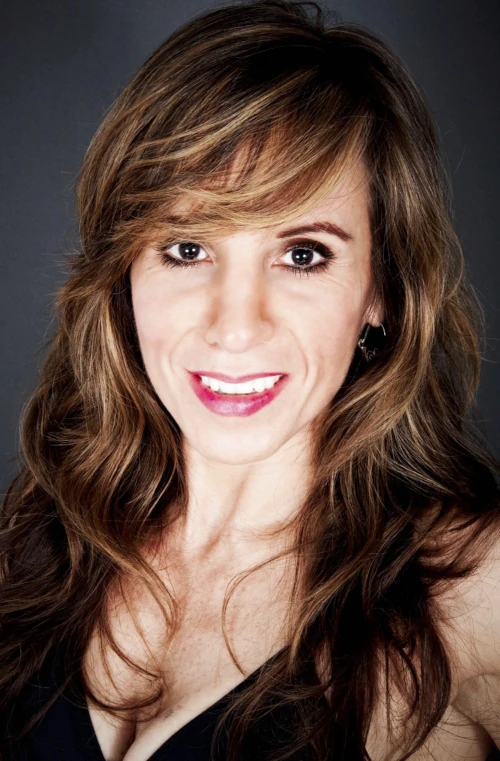
Welcome to my Website!
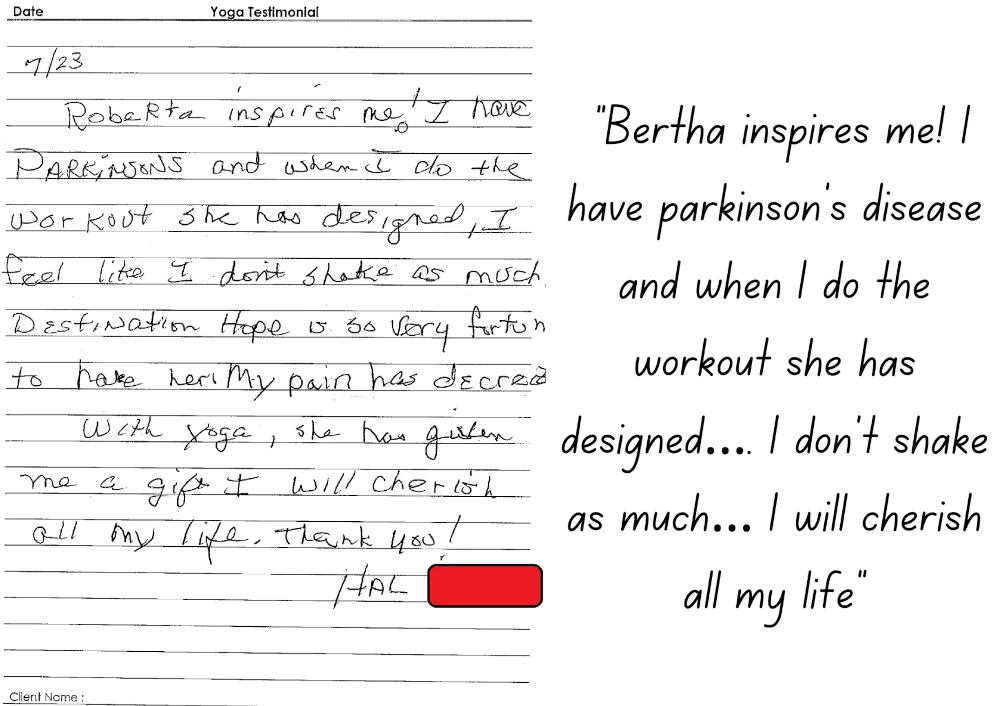
I was first introduced to yoga in 1999 when I attended a class as a student in London, UK. However, I never imagined that class would have such a profound impact on my life. From that crossroad, I progressively left a career in art consulting and focused on making a living as a yoga instructor. Following, I have taken various courses and explored different specialties in this field. I have owned my own private yoga studio in Miami, offering both group and private classes. Since 2010, I have had the blessing of using that knowledge and experience as part of mental health, substance abuse, and rehabilitation programs. In short, I went from teaching conventional yoga classes to using my knowledge and experience to help people deal with not only physical difficulties and injuries but also mental disorders. Among the physical adversities I have helped alleviate are scoliosis, chronic tension, sciatica, and back pain. On the mental disorder side, I have worked with anxiety, chronic stress, attention deficit, substance abuse, depression, Parkinson’s disease, and PTSD.
Since 2020, I have had the pleasure of teaching the elderly at Assisted Living Facilities and have helped them regain vitality by increasing their range of motion, which has ultimately improved their overall quality of life. Additionally, in the same year, I participated in a mentorship program based on Buddhist psychology and mindfulness, and I have been fortunate enough to incorporate this valuable millennial wisdom into my teachings. Lastly, but no less important, I also took a course on MBSR mindfulness-based stress reduction, which has vastly complemented my sessions.
There is no greater satisfaction for me than teaching the methods I have learned over the decades and seeing people apply these to overcome various physical and mental challenges, ultimately achieving peace, happiness, and, in some cases, sobriety. It serves my life purpose to see someone complete their rehabilitation program, knowing that through these therapeutic techniques and philosophies, I was a part of that life-changing process. I can most honestly say that I did everything I could to make a difference in their lives.
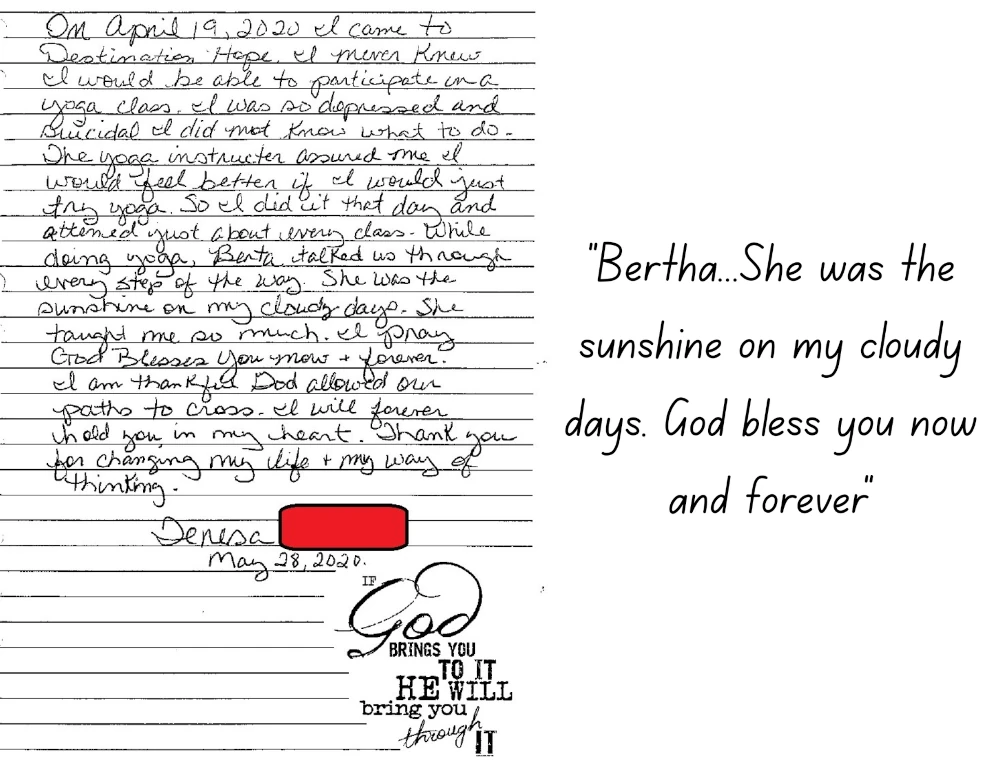
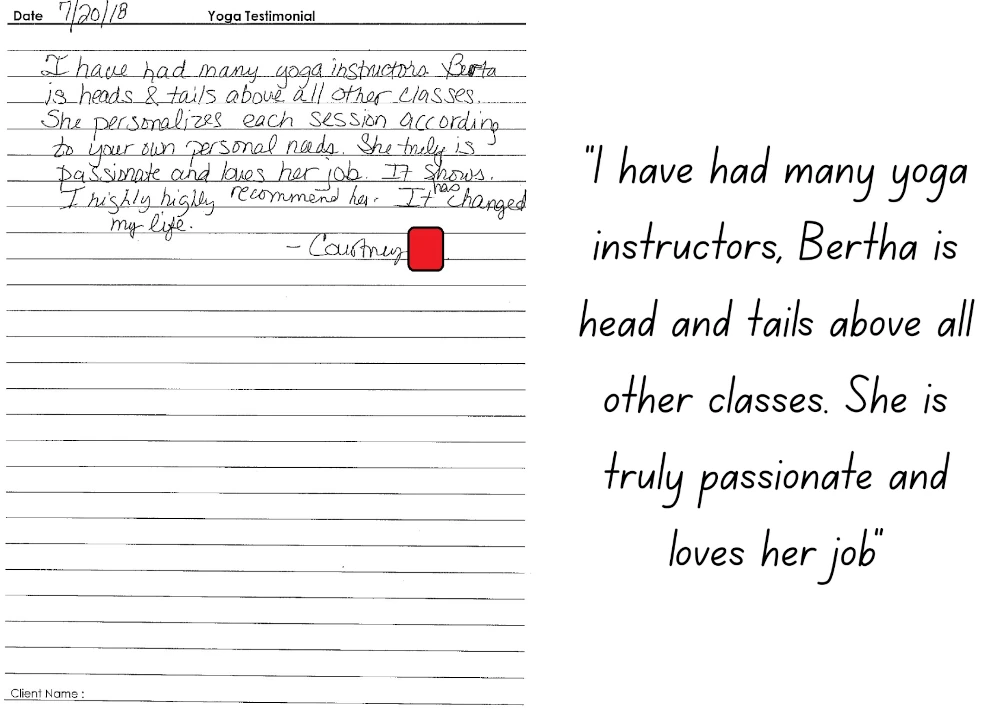
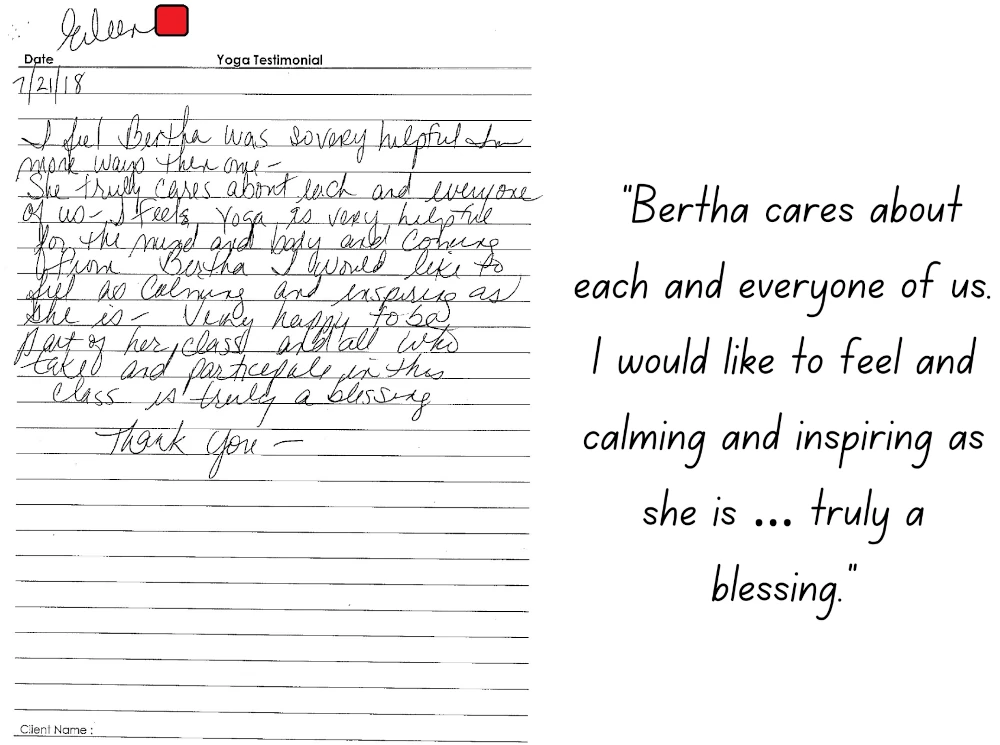
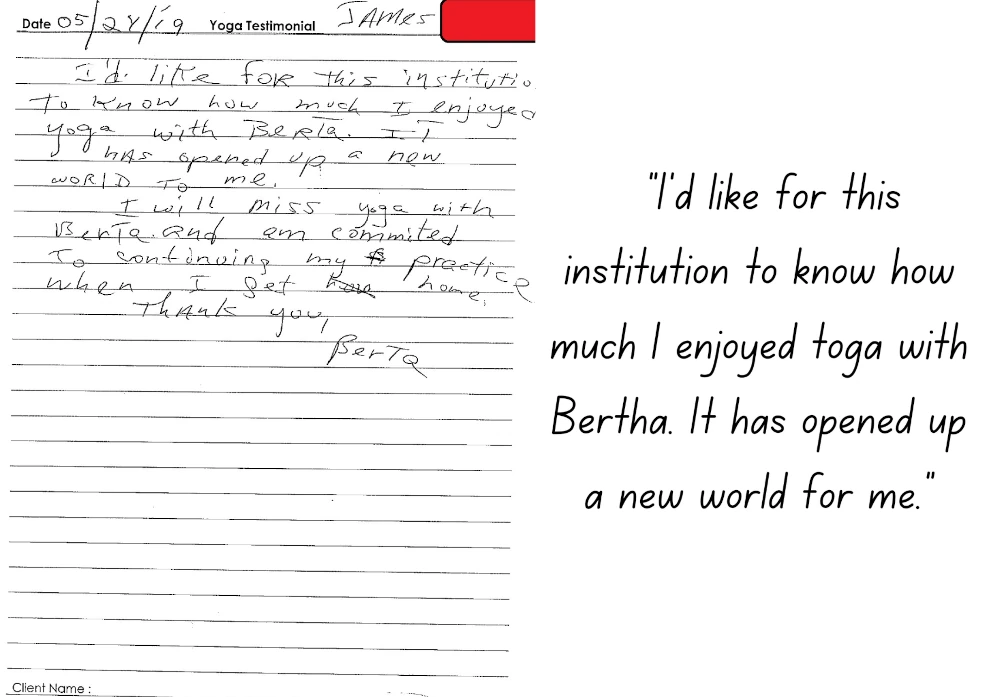
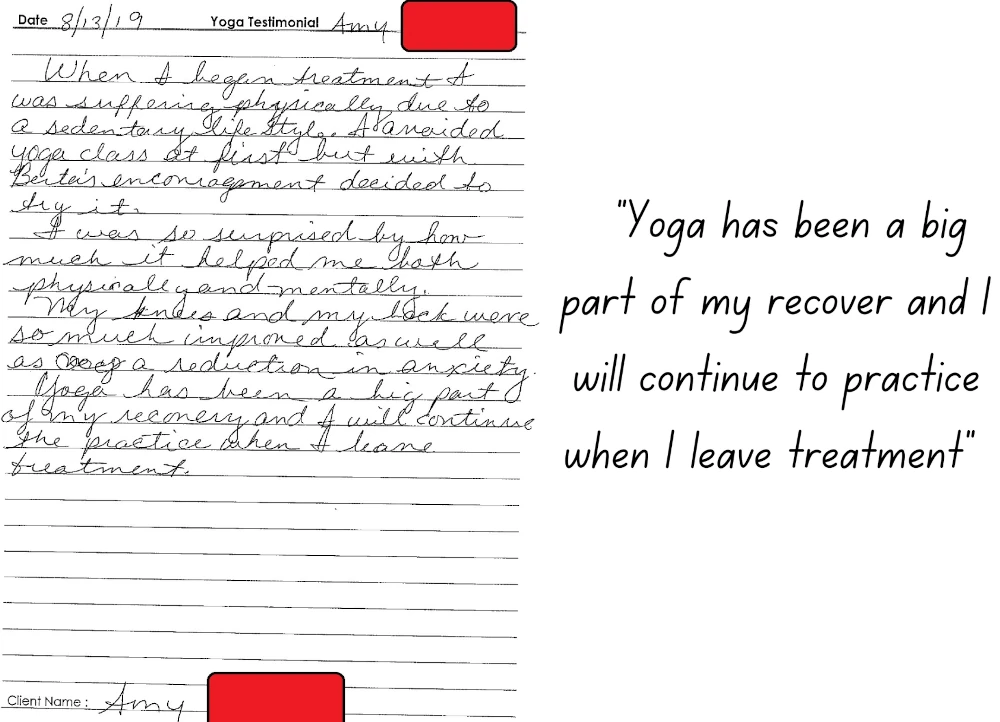
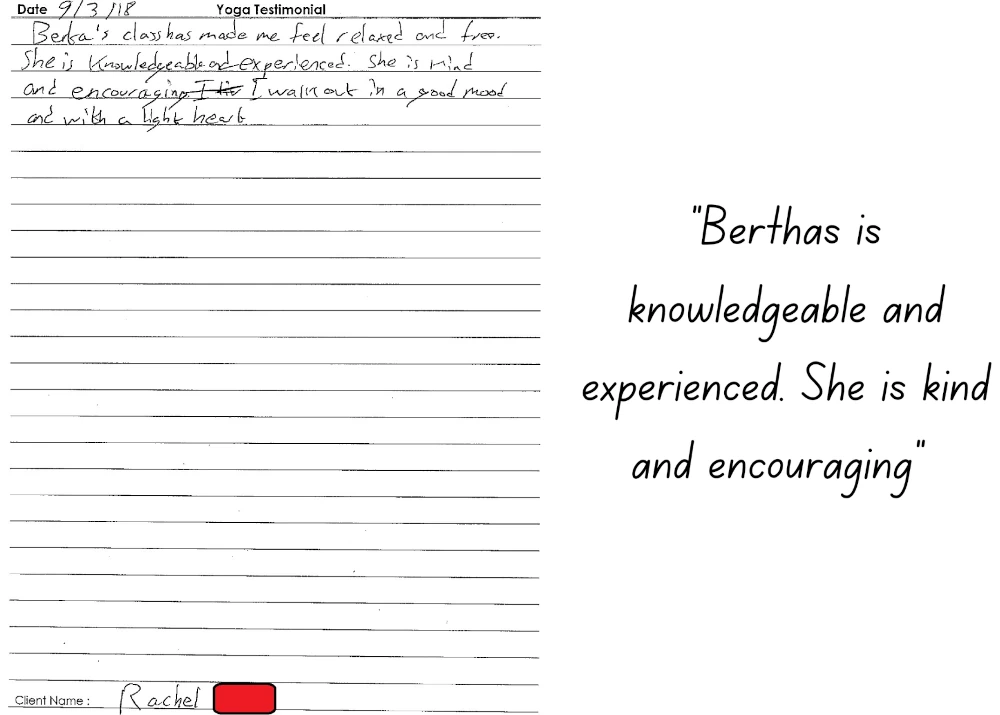
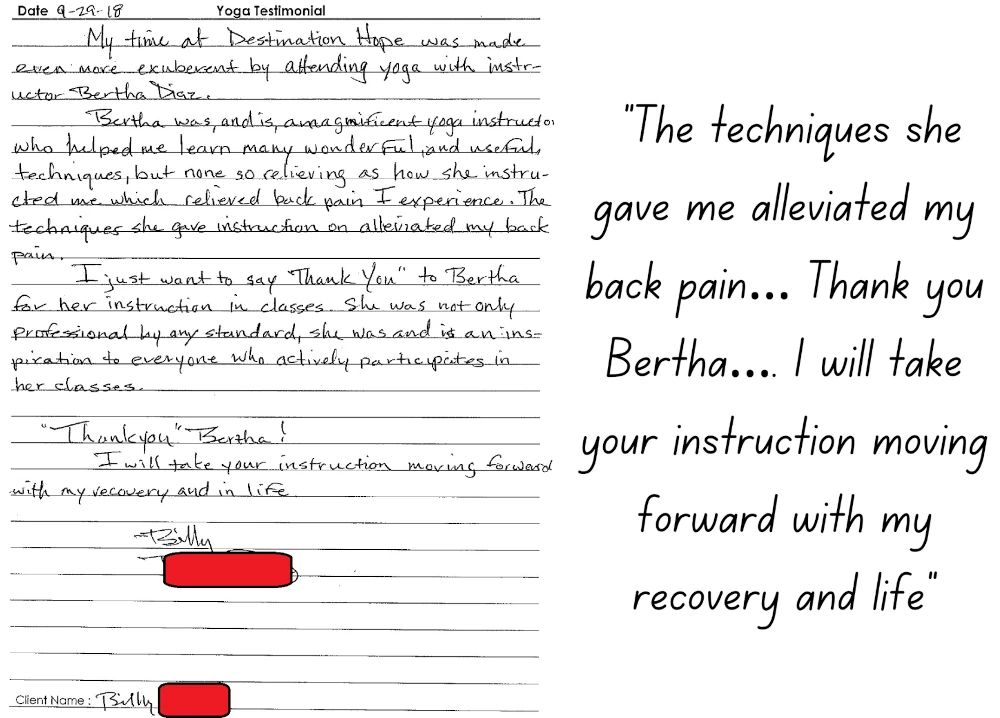
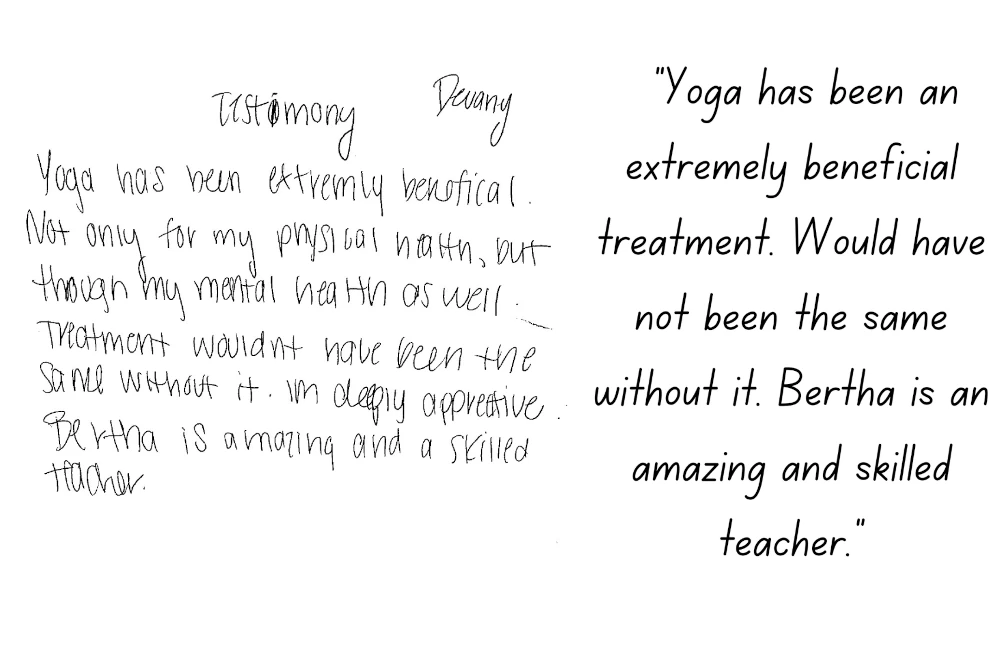
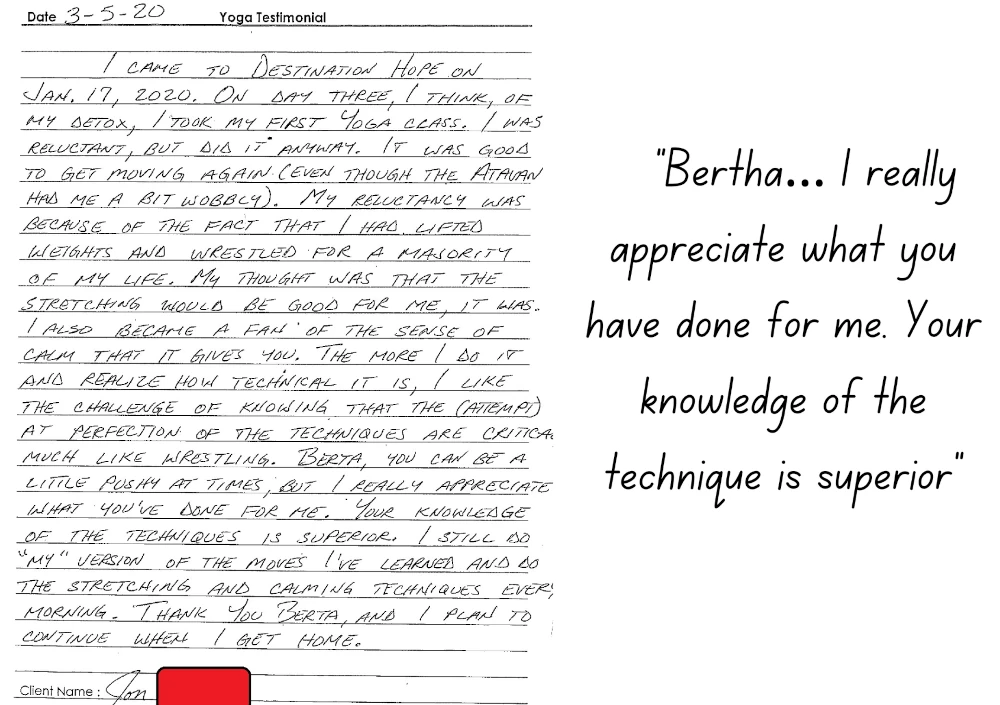
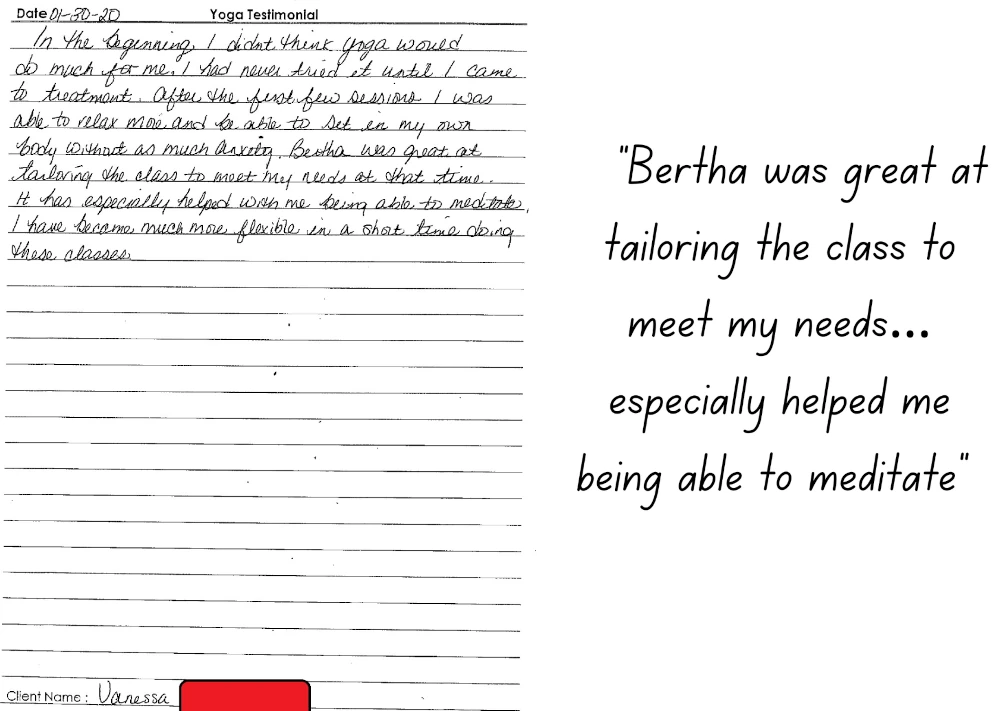
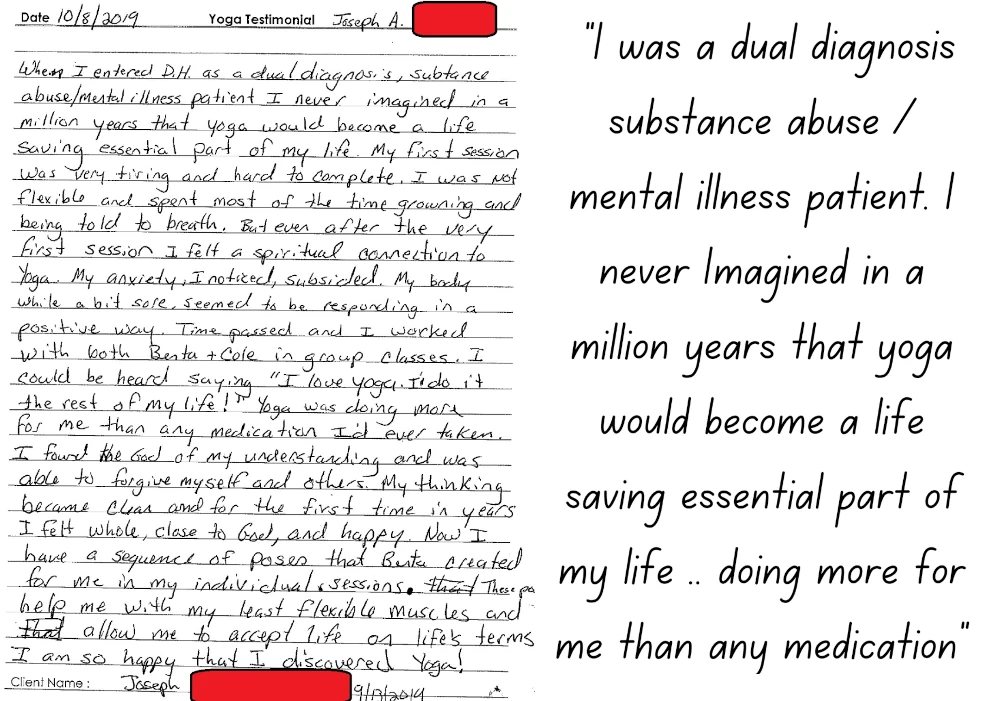
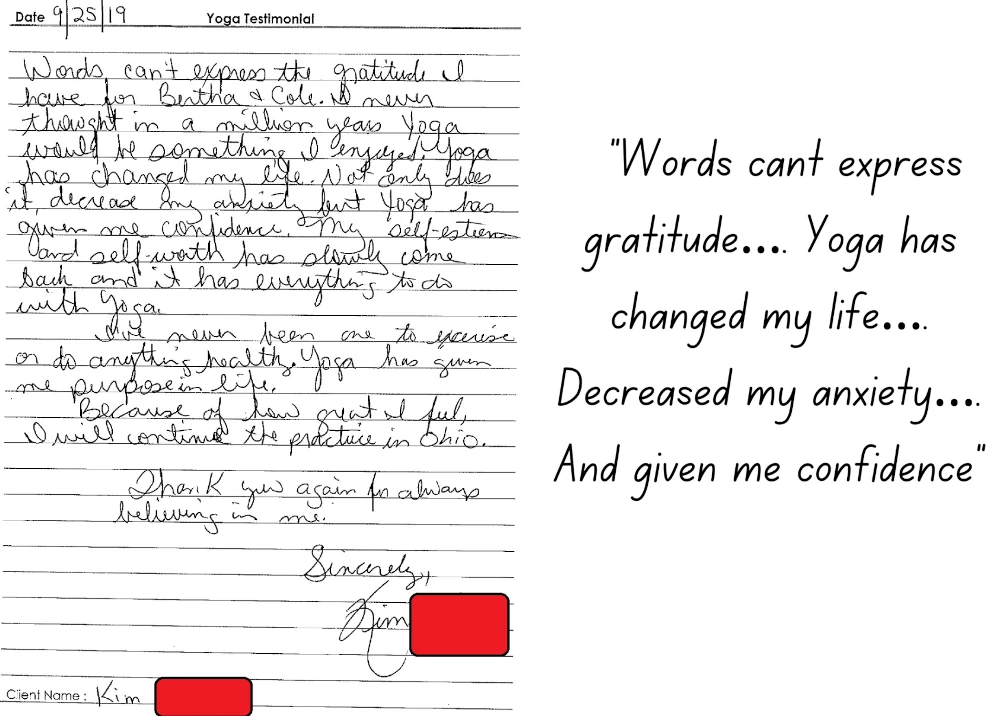
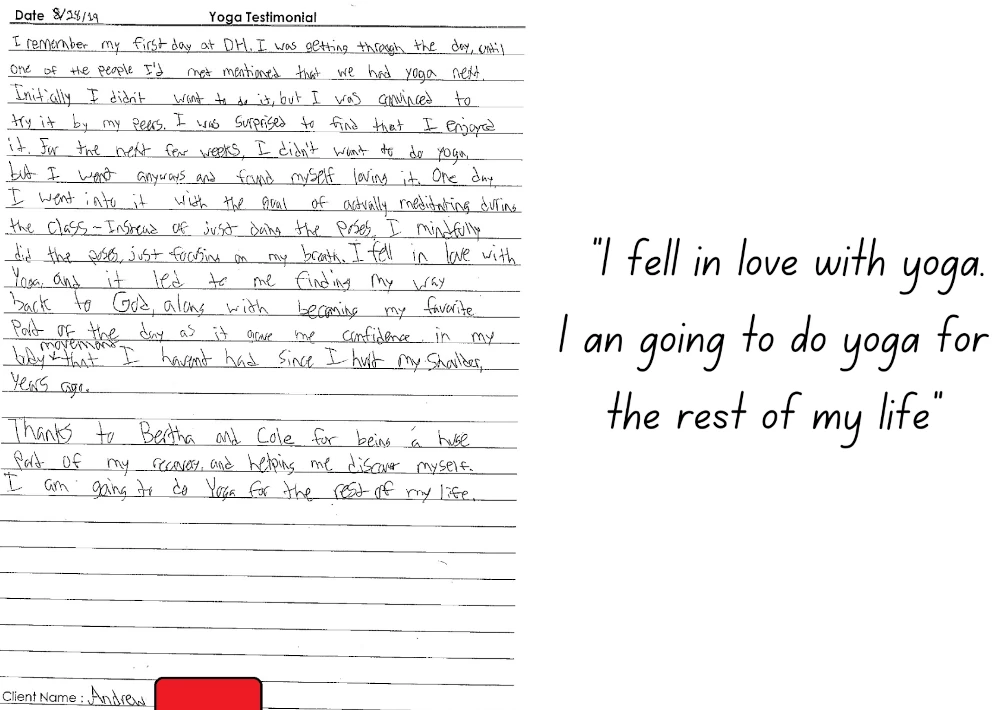
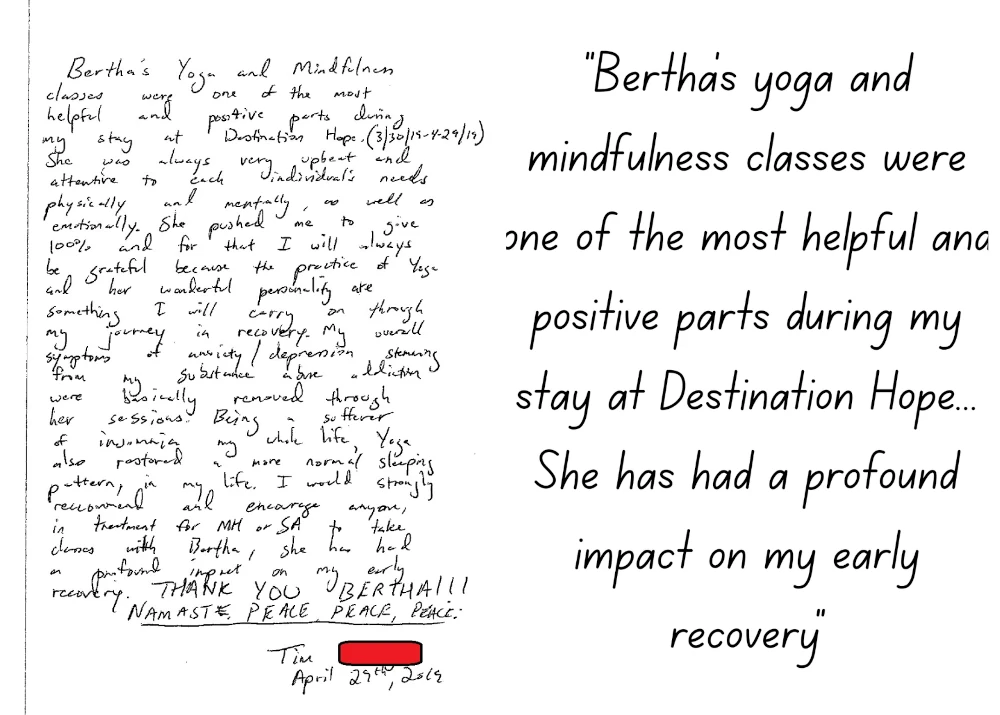
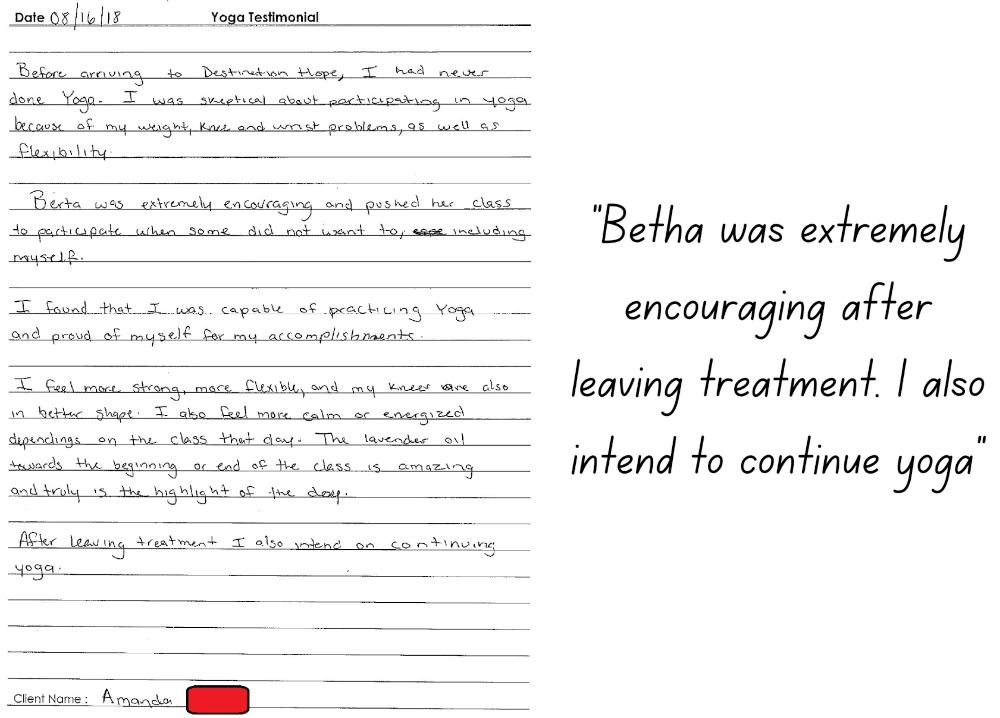
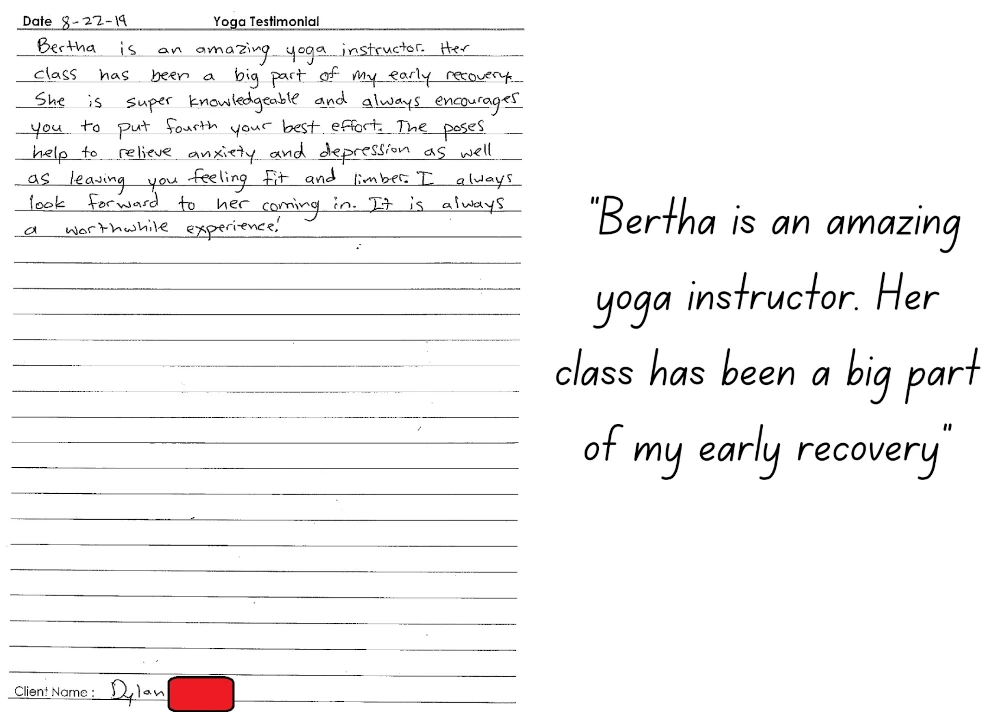
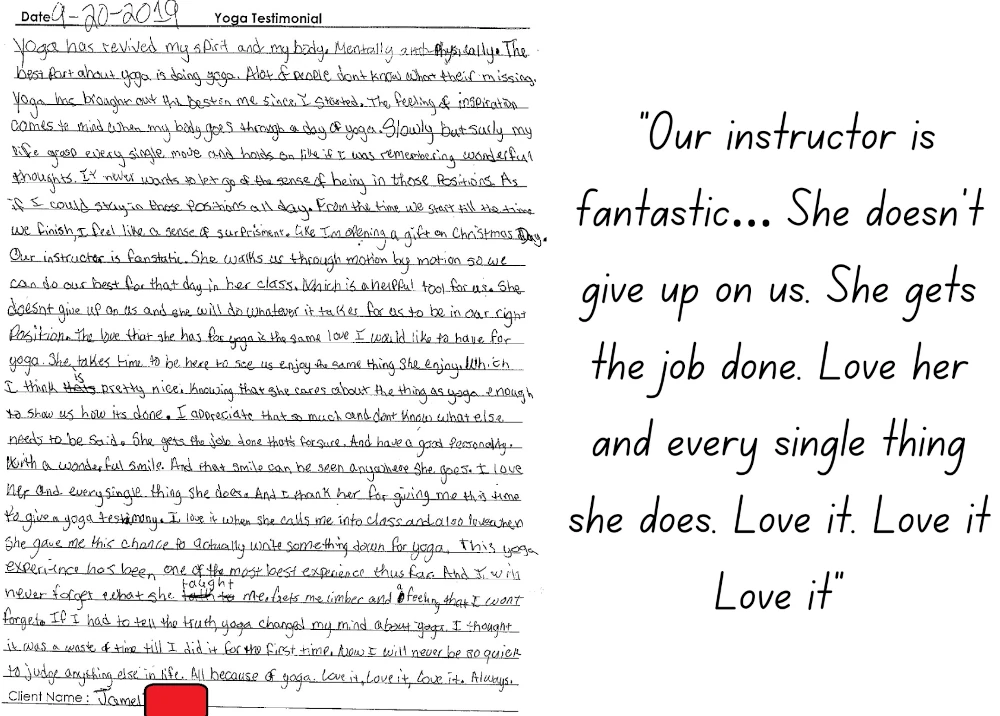
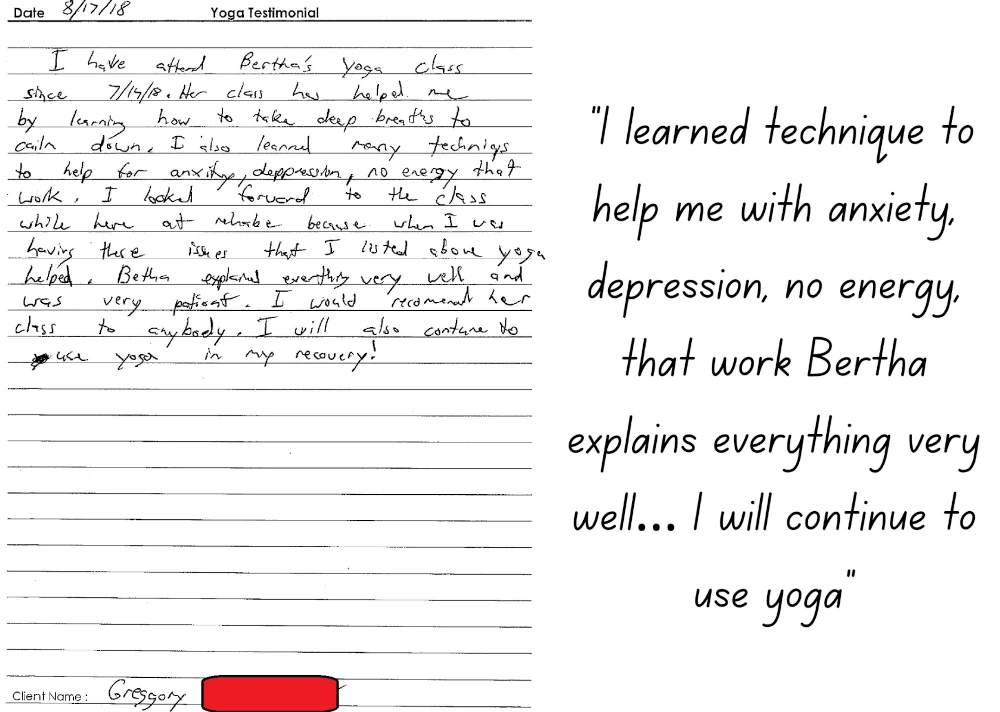
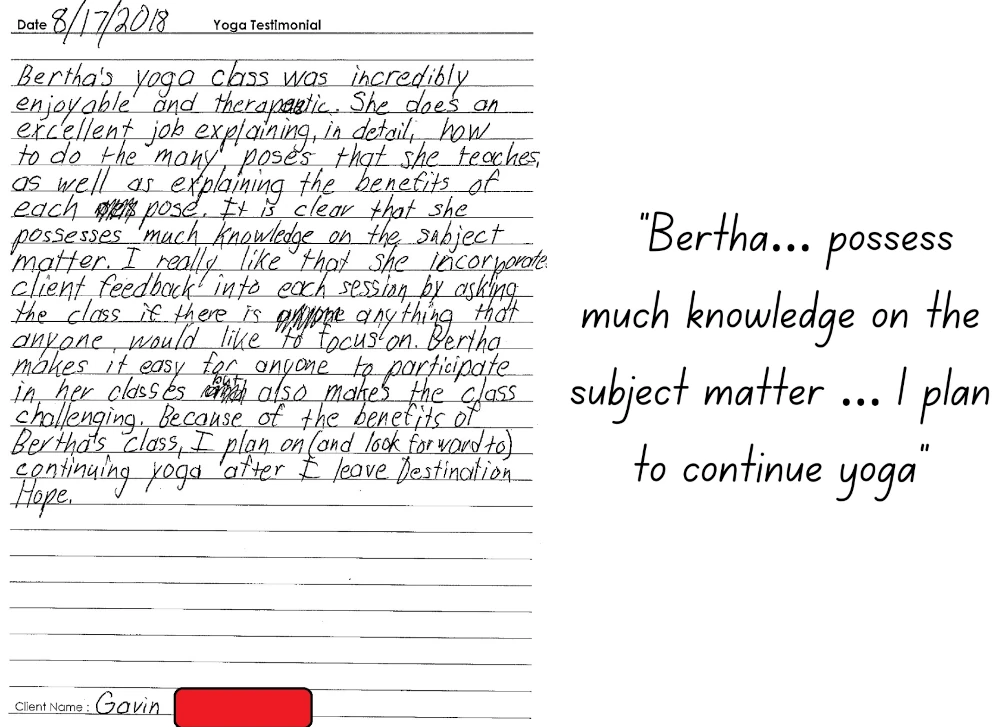
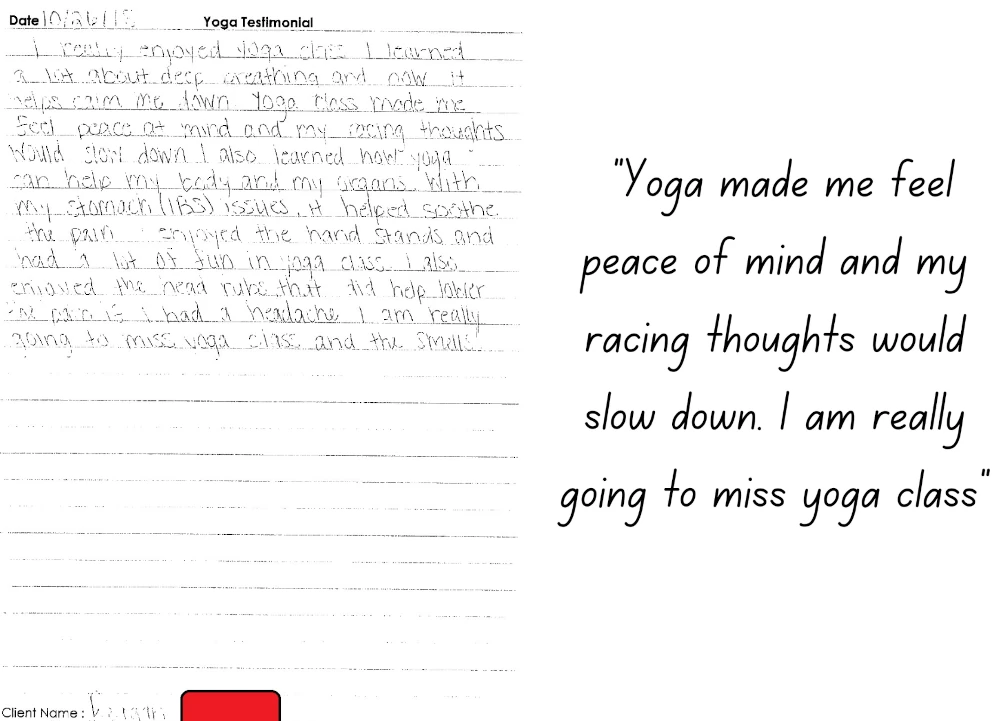
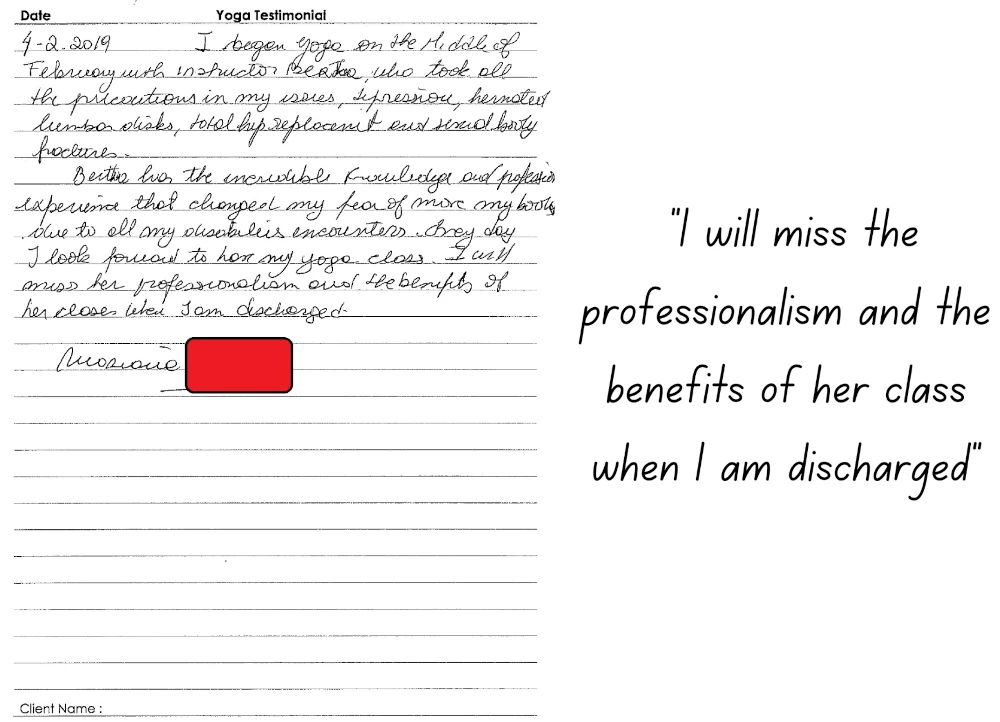
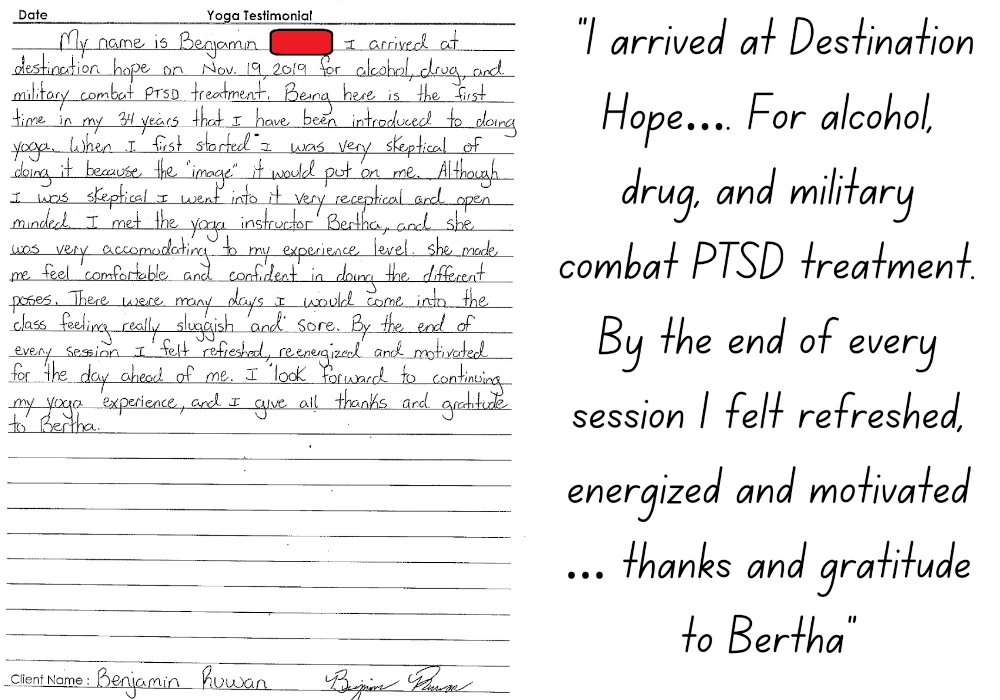
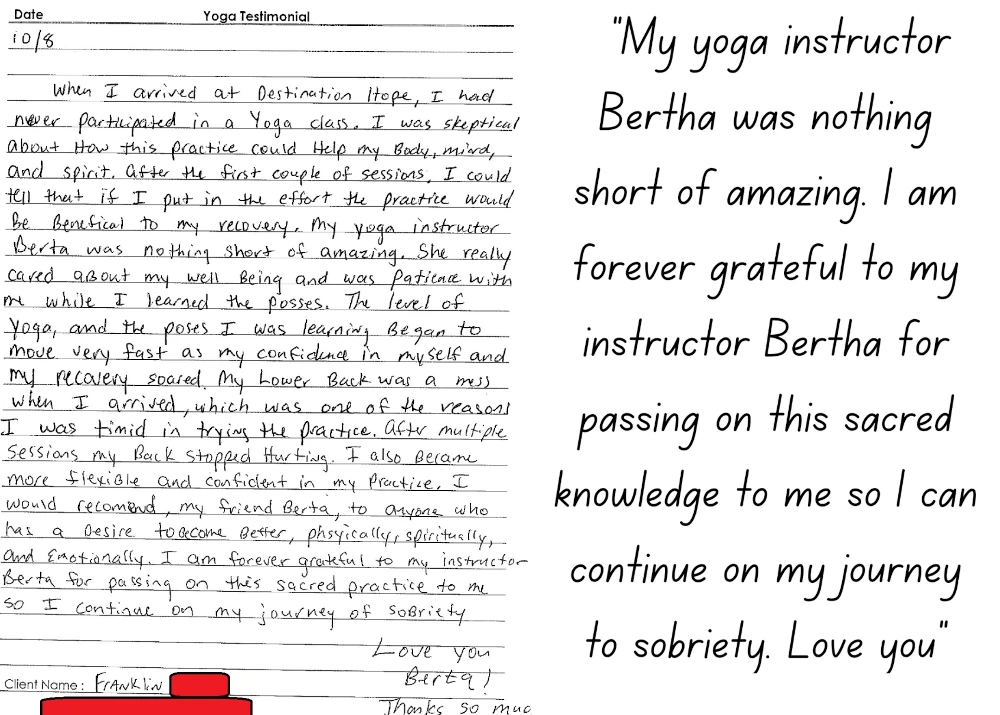
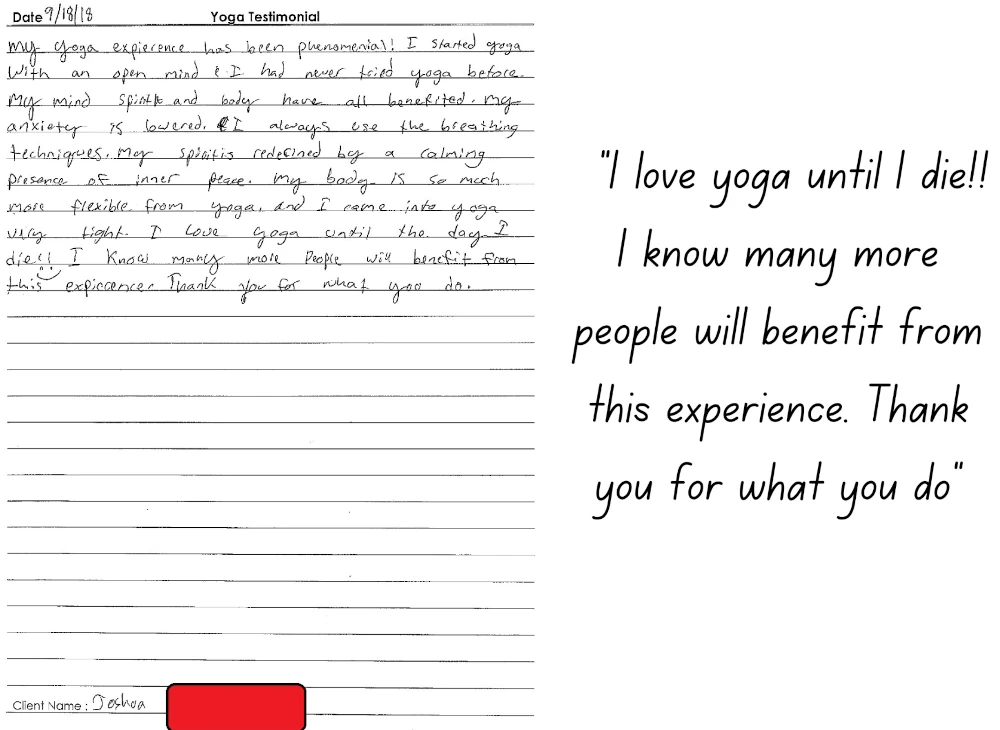
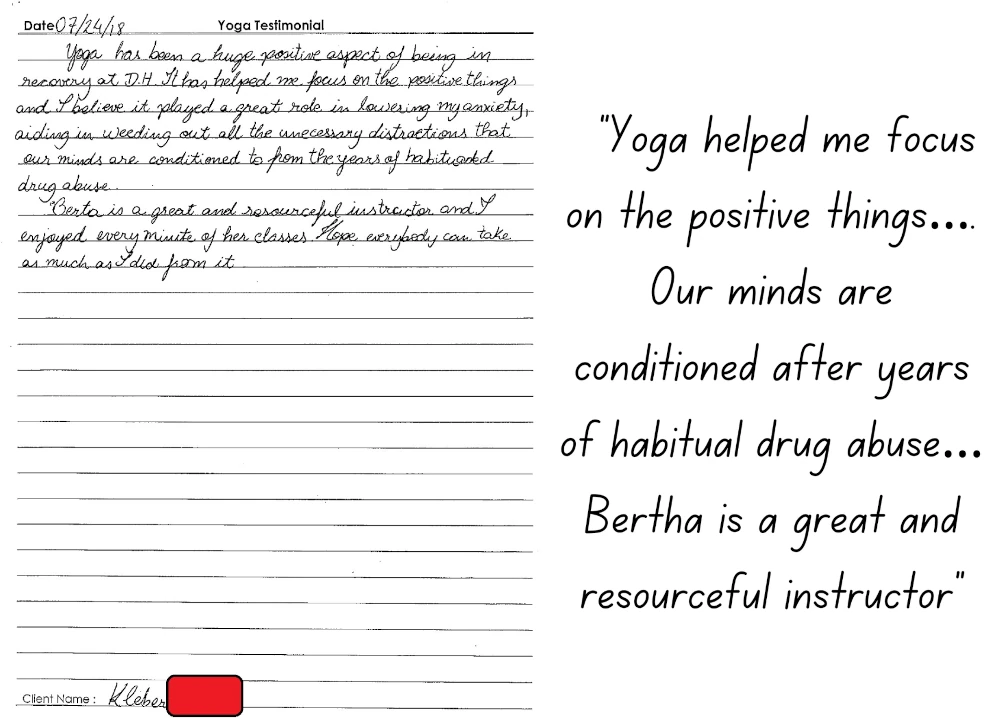
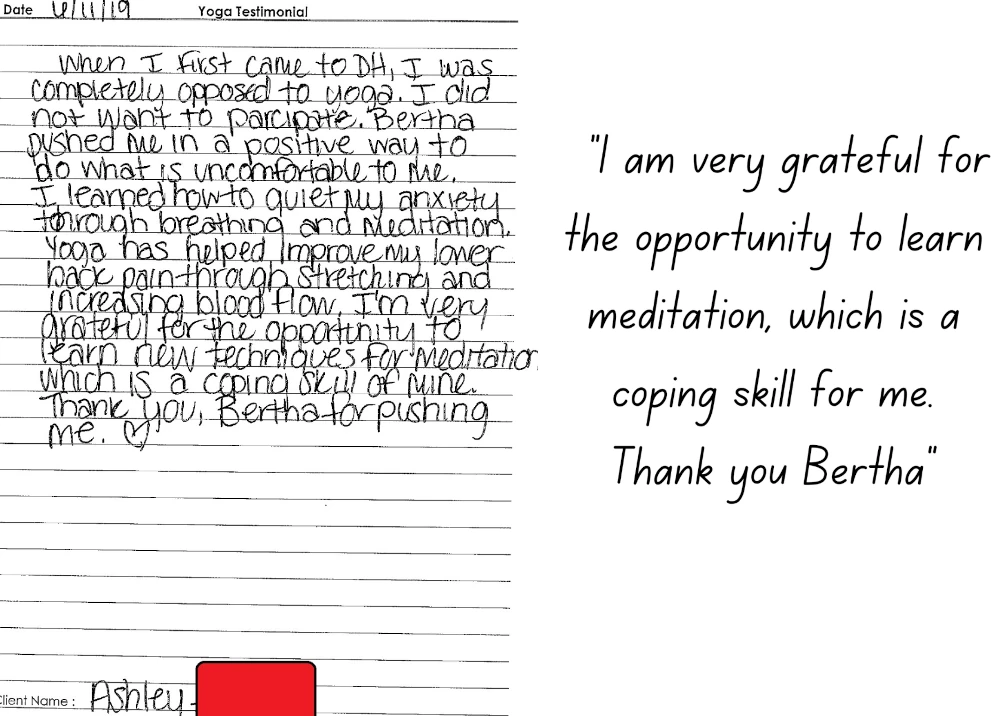
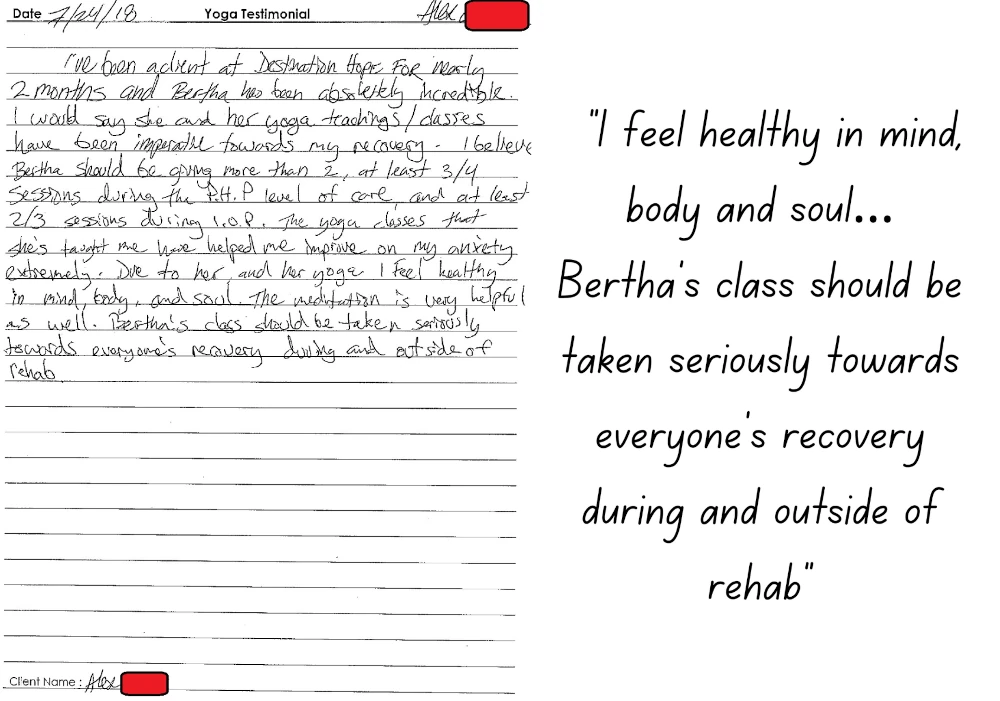
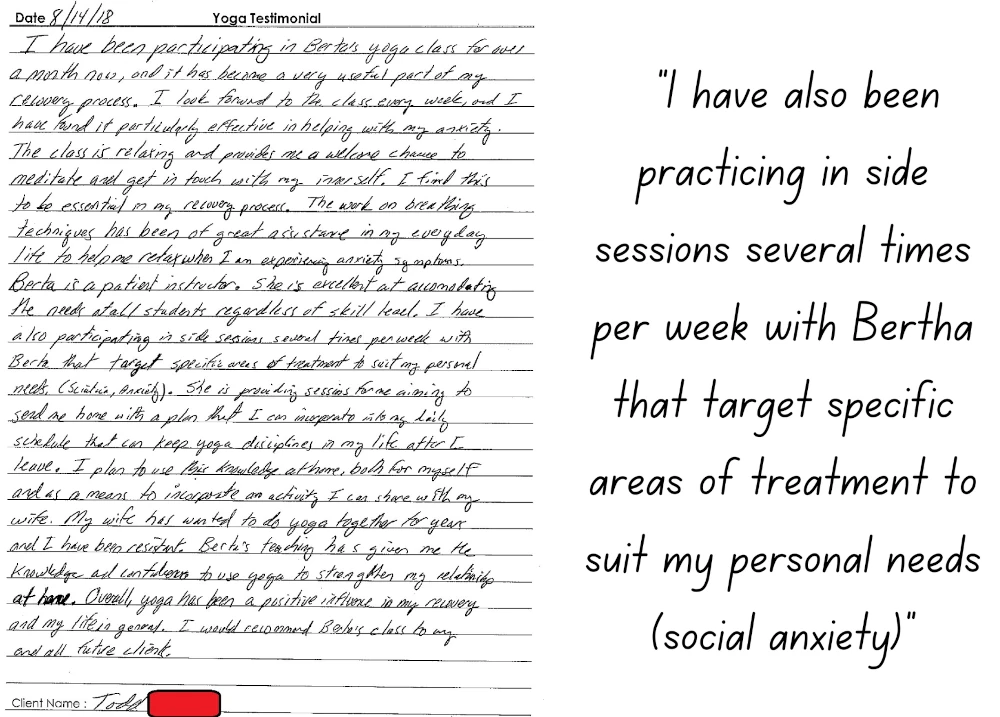
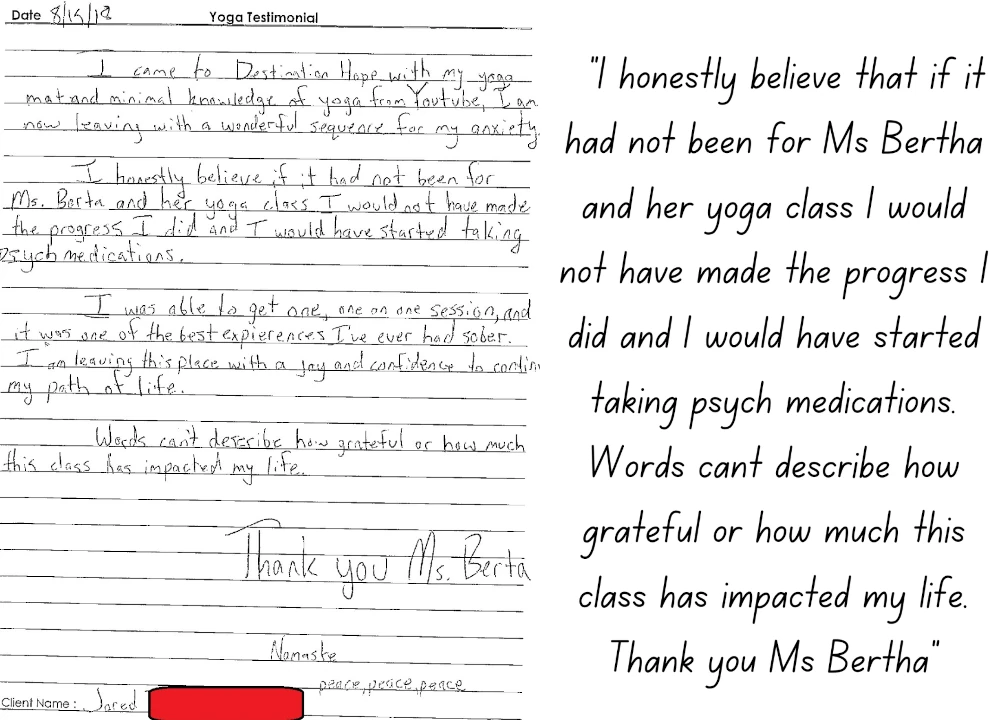
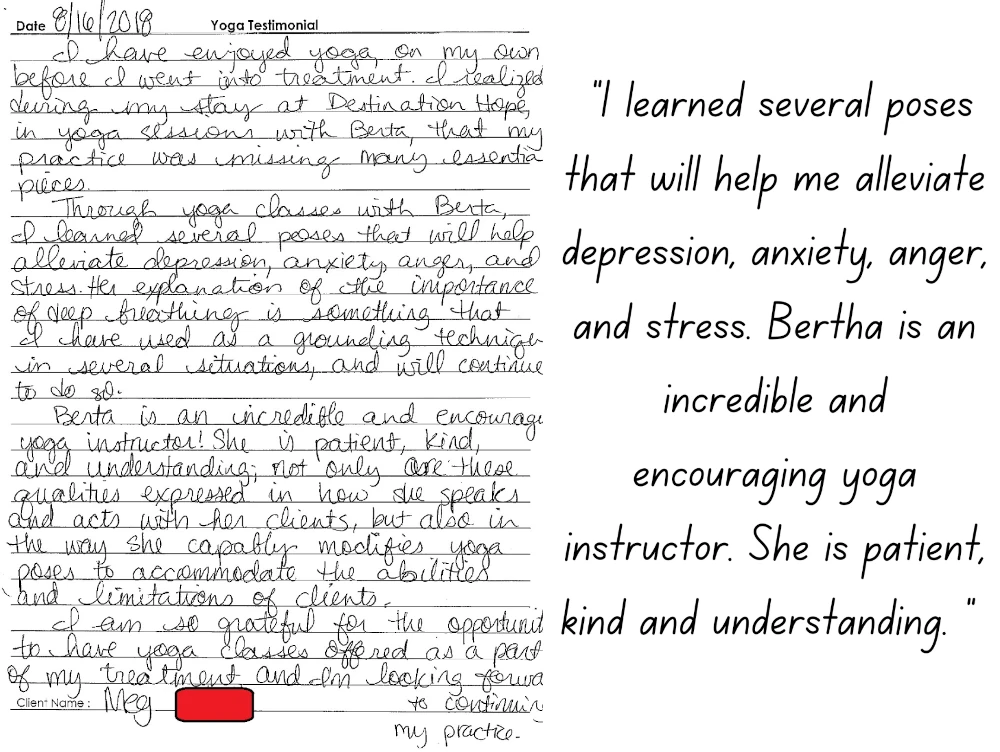
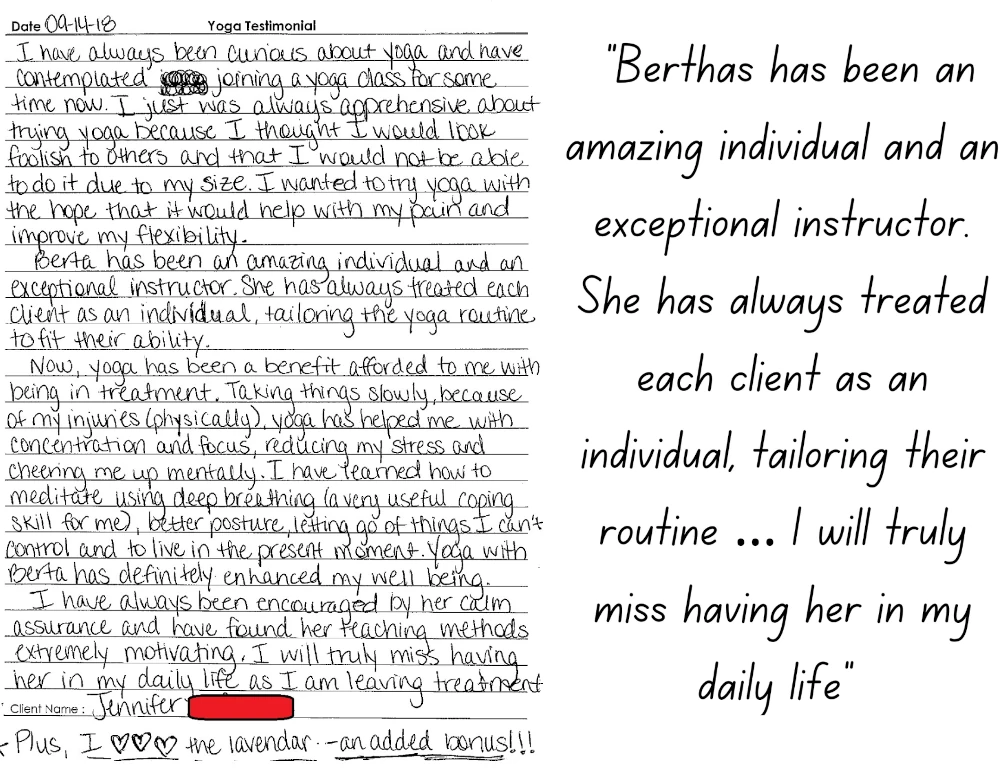
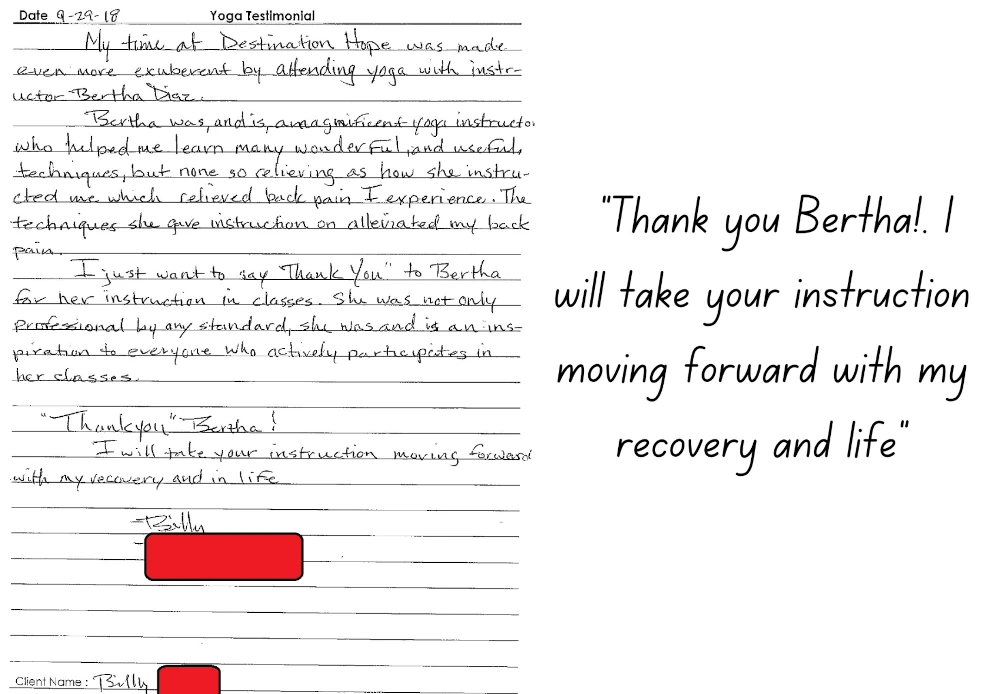
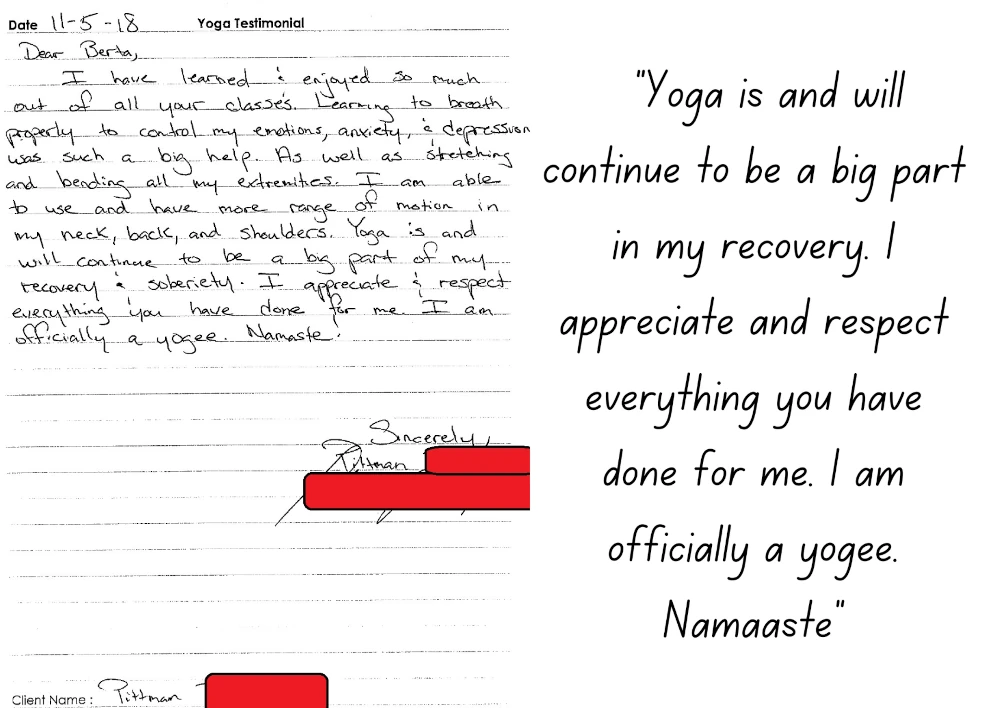
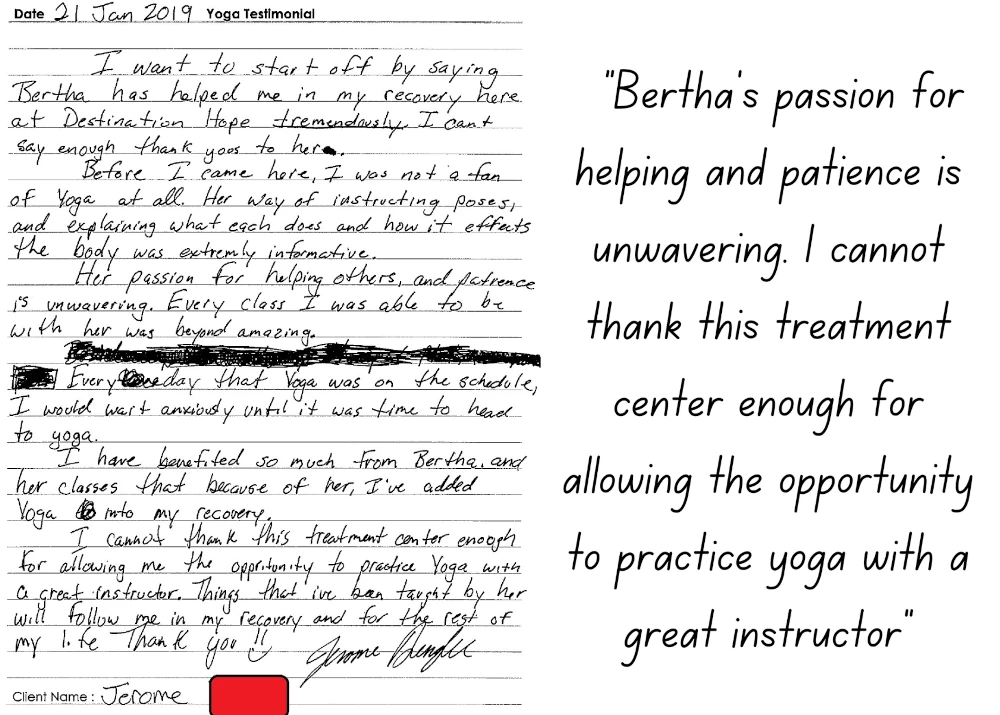
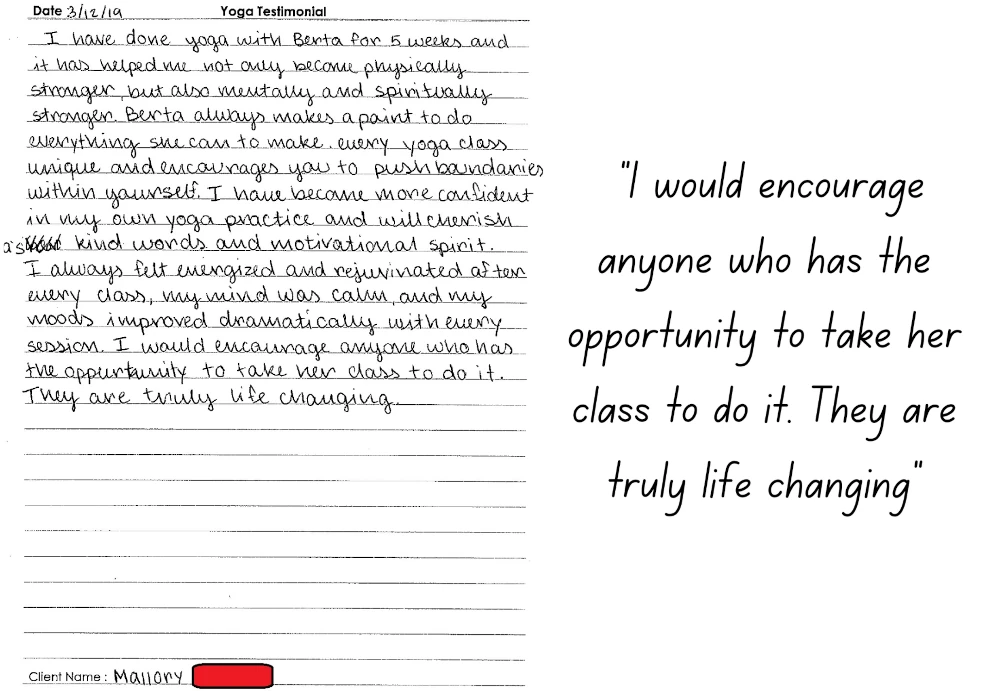
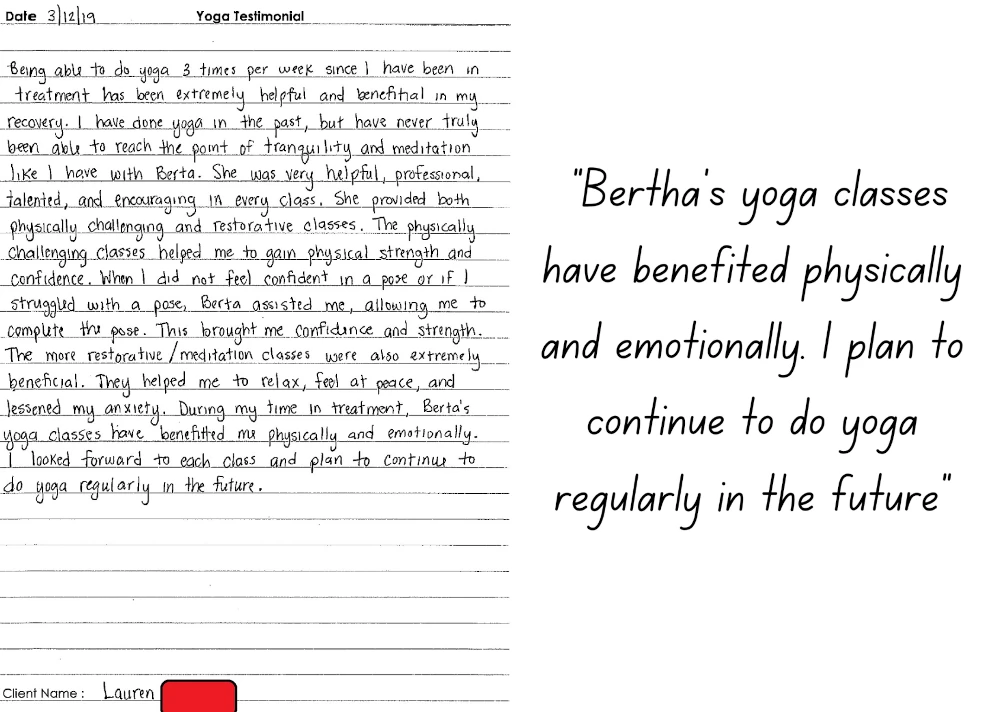
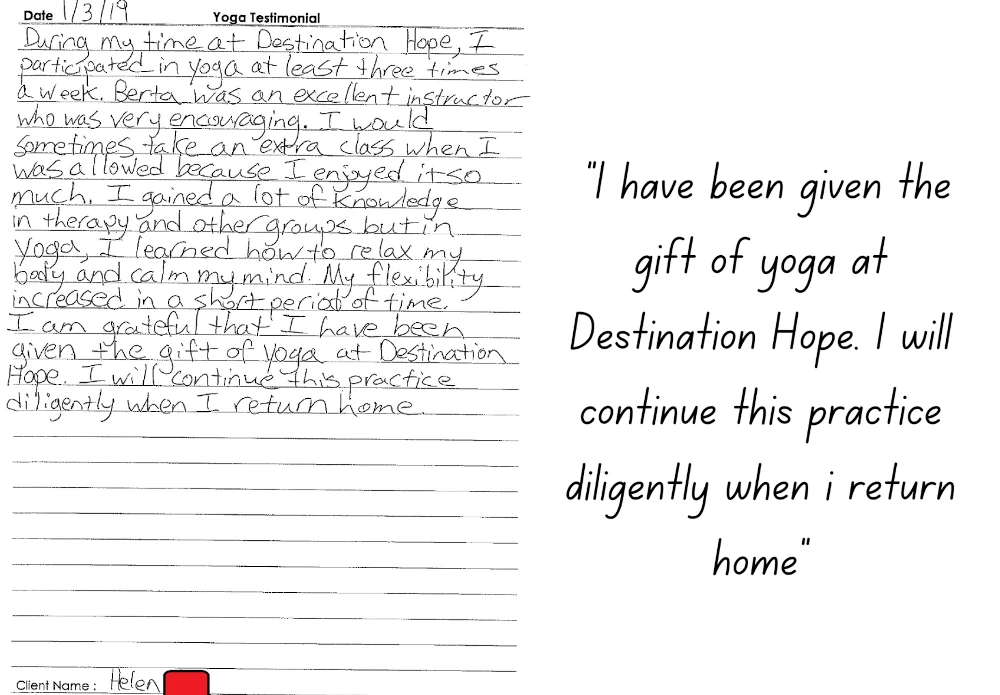
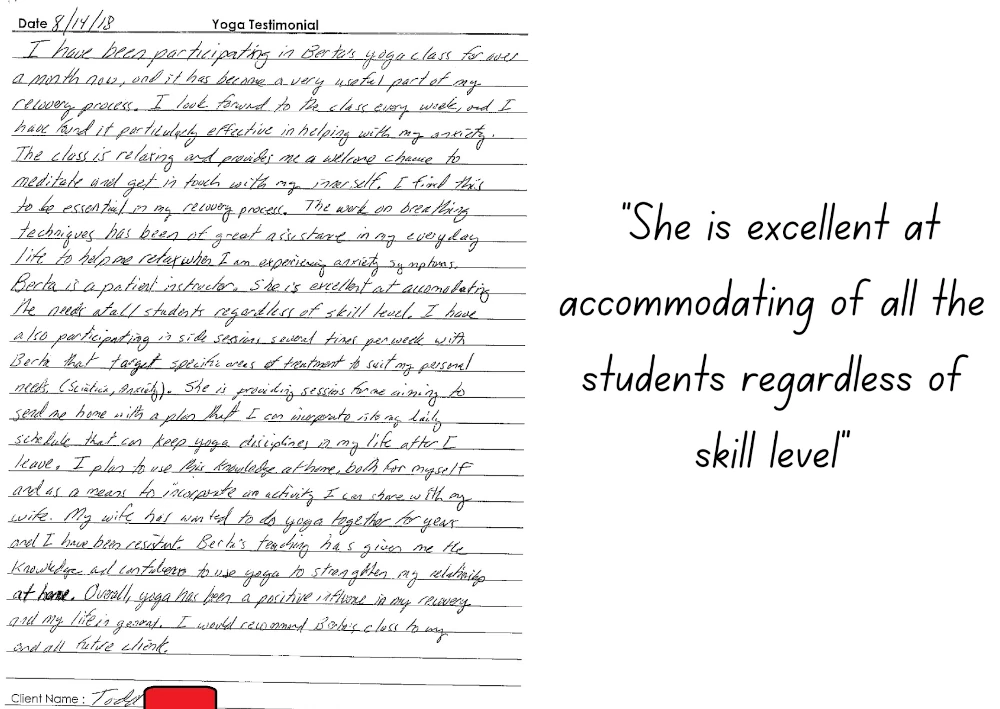
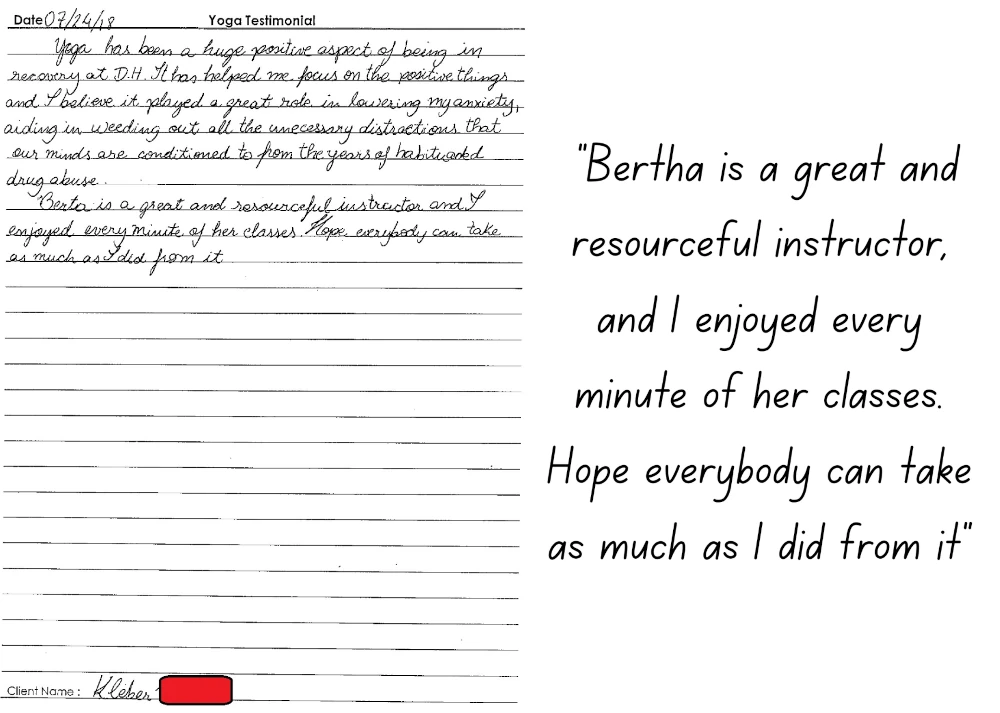
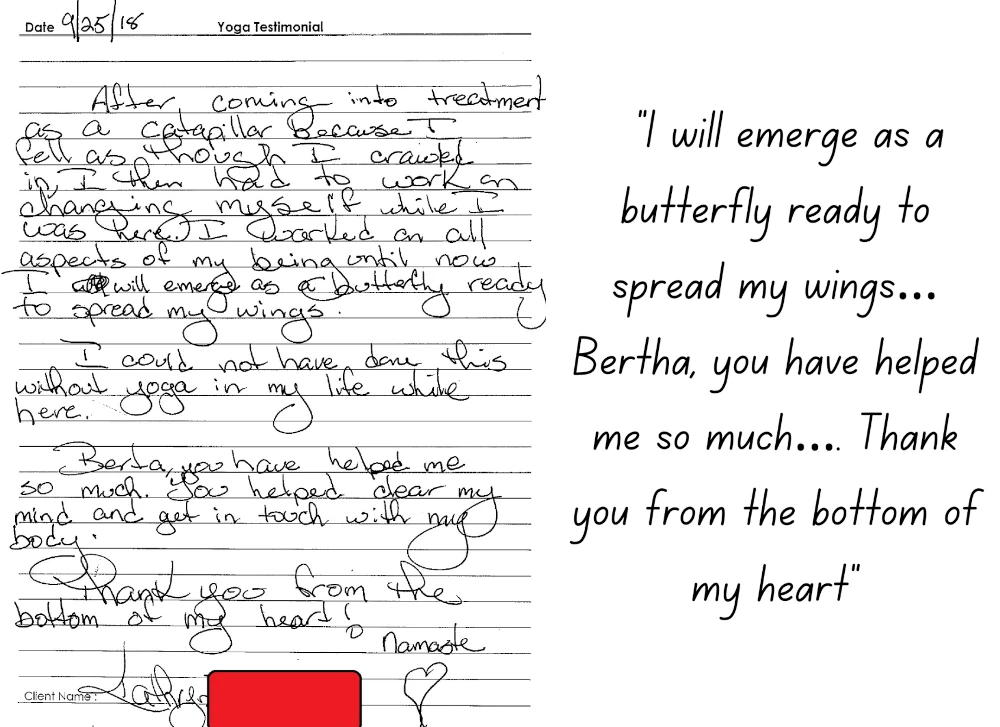
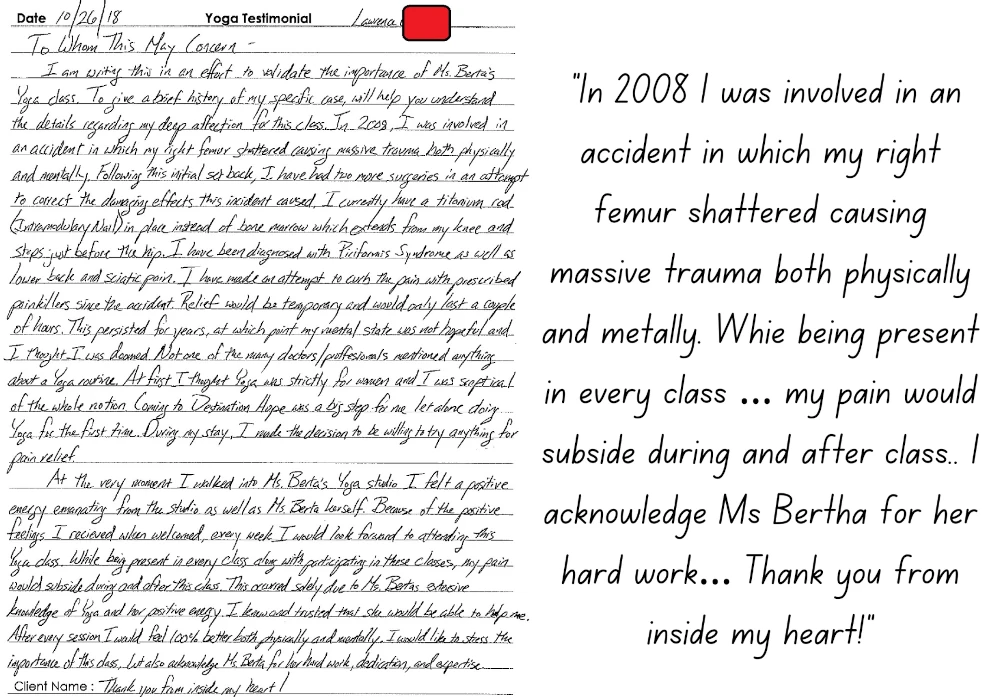
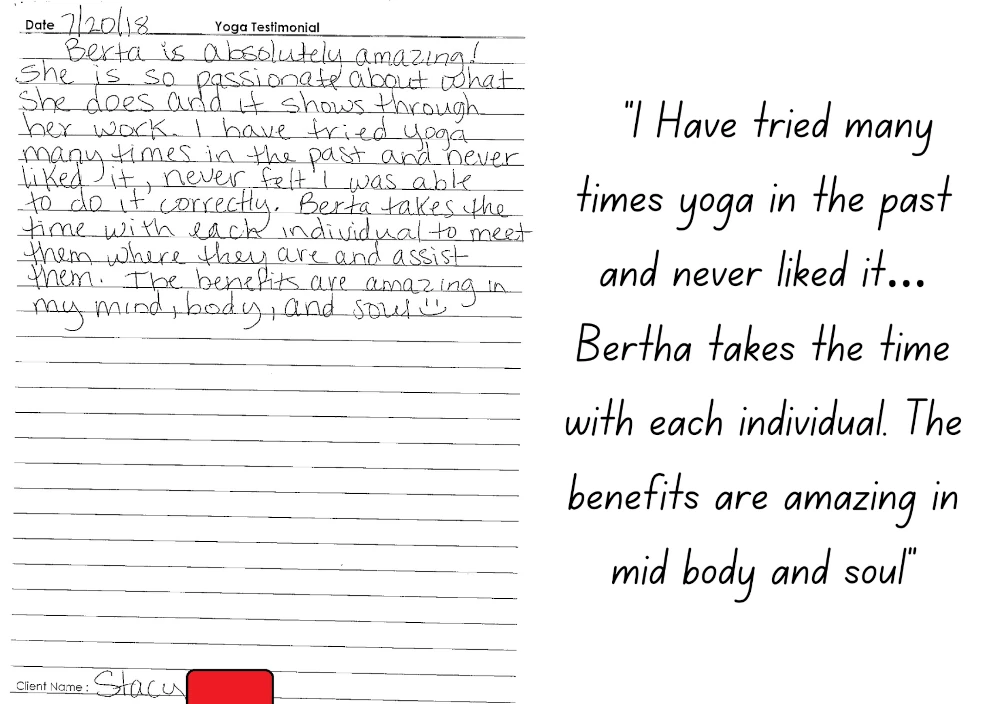
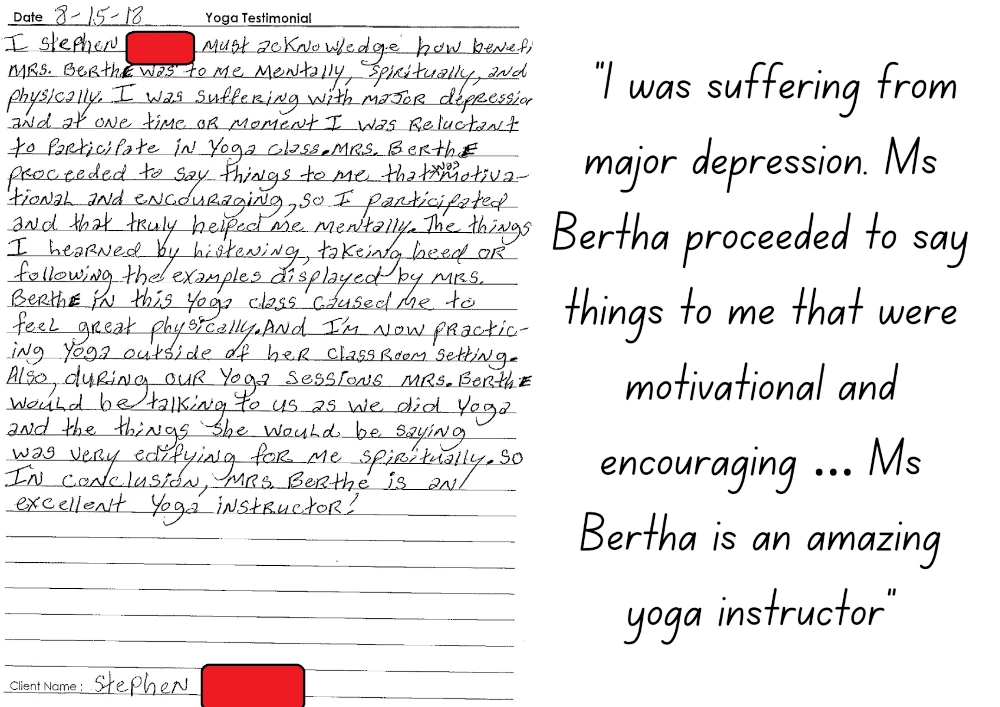
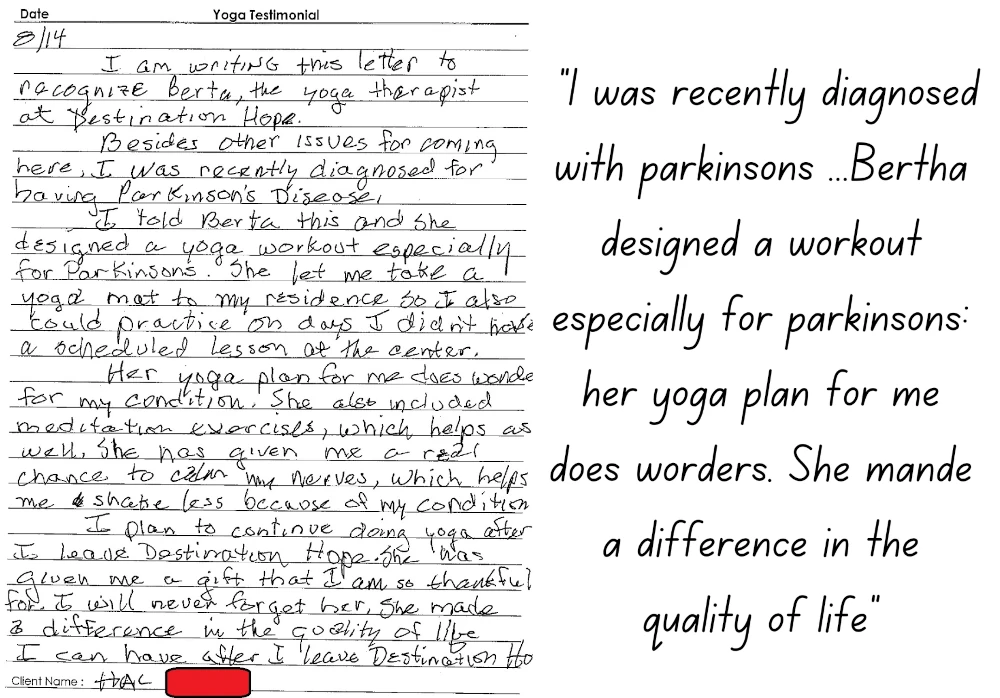
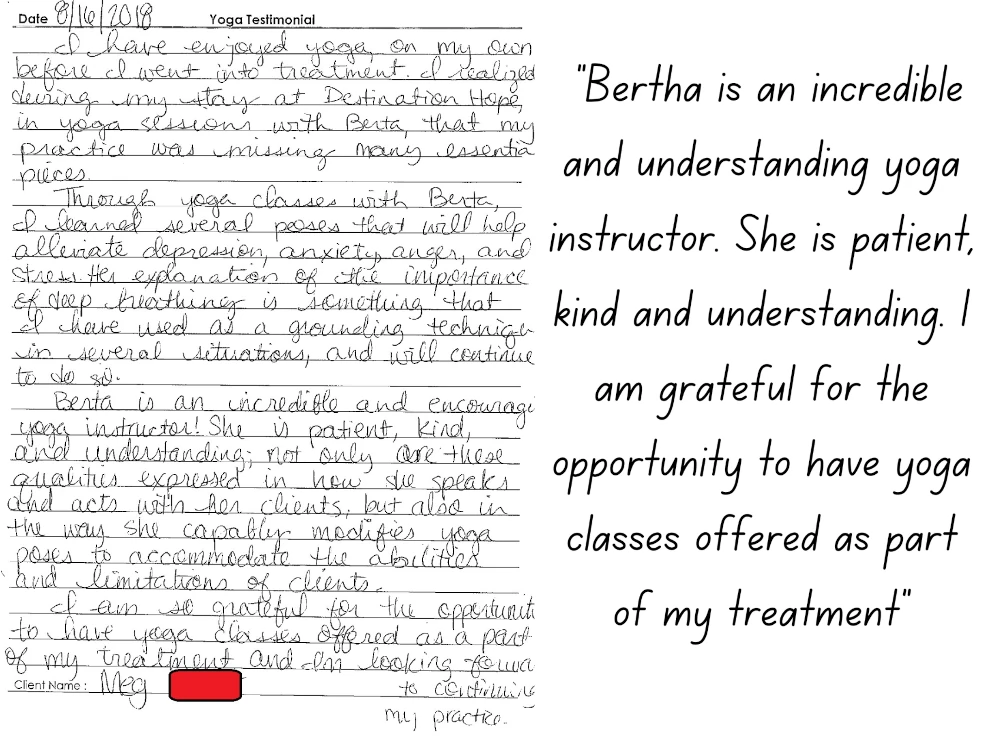
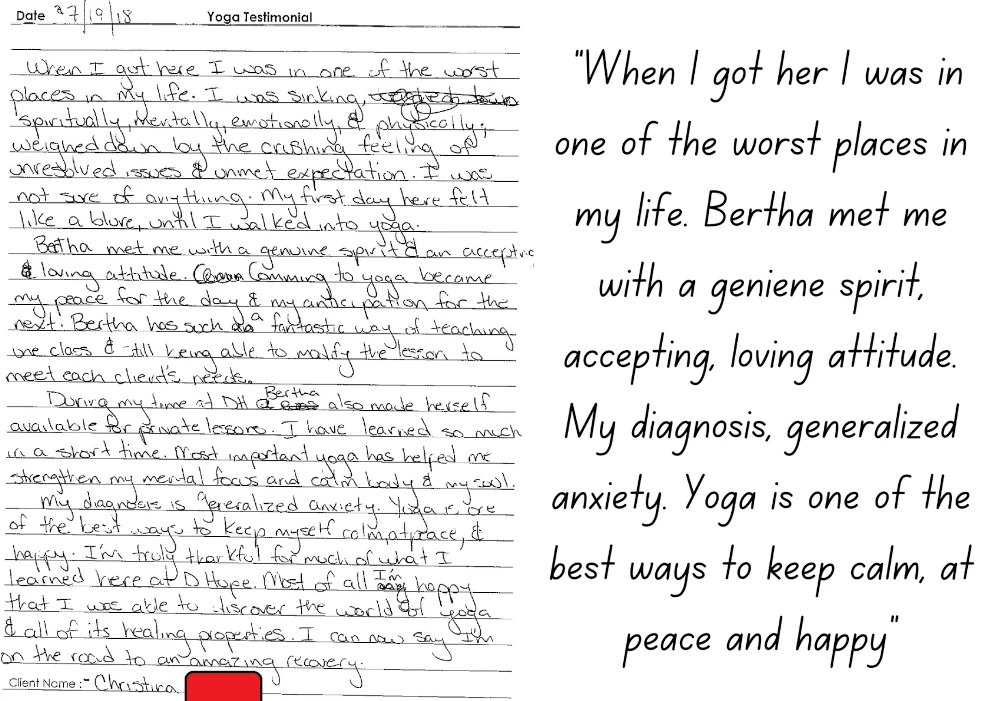
Patient Reviews/Testimonials
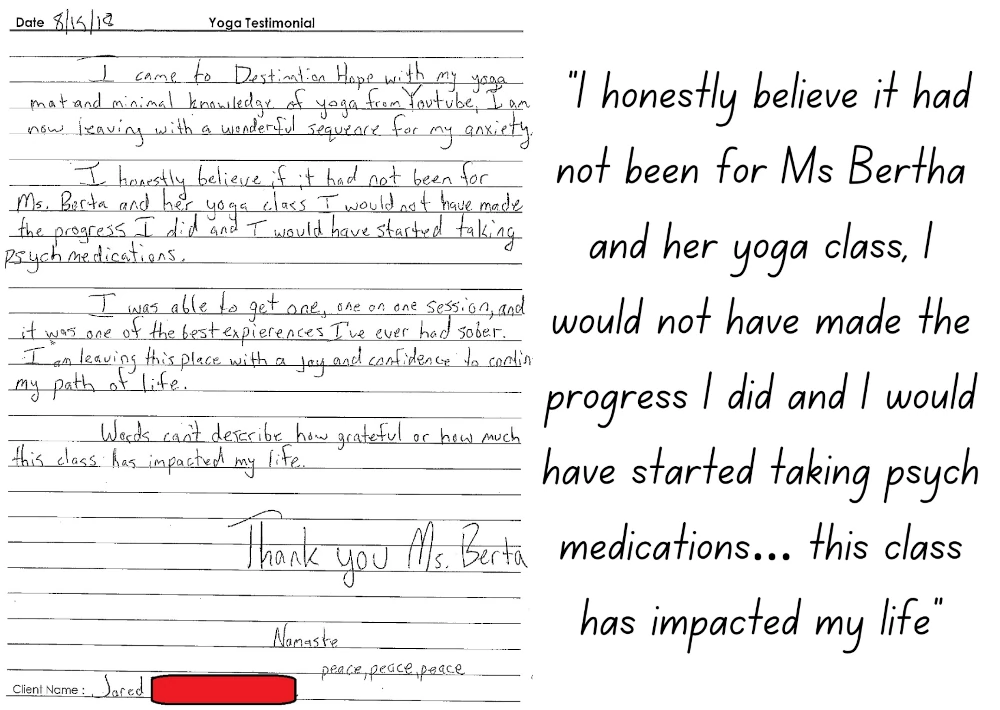
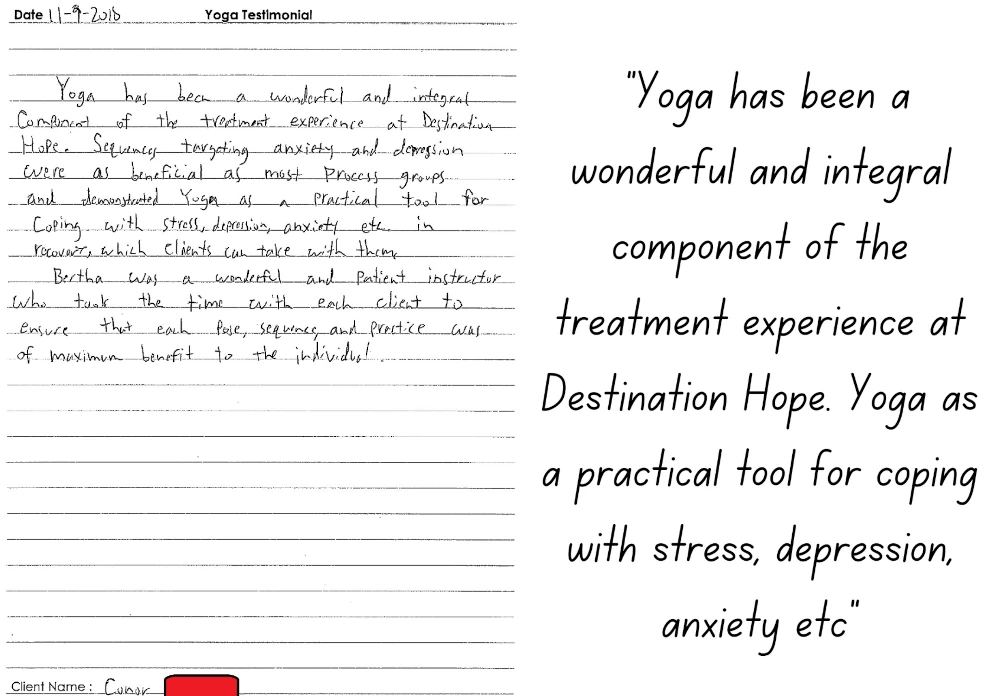
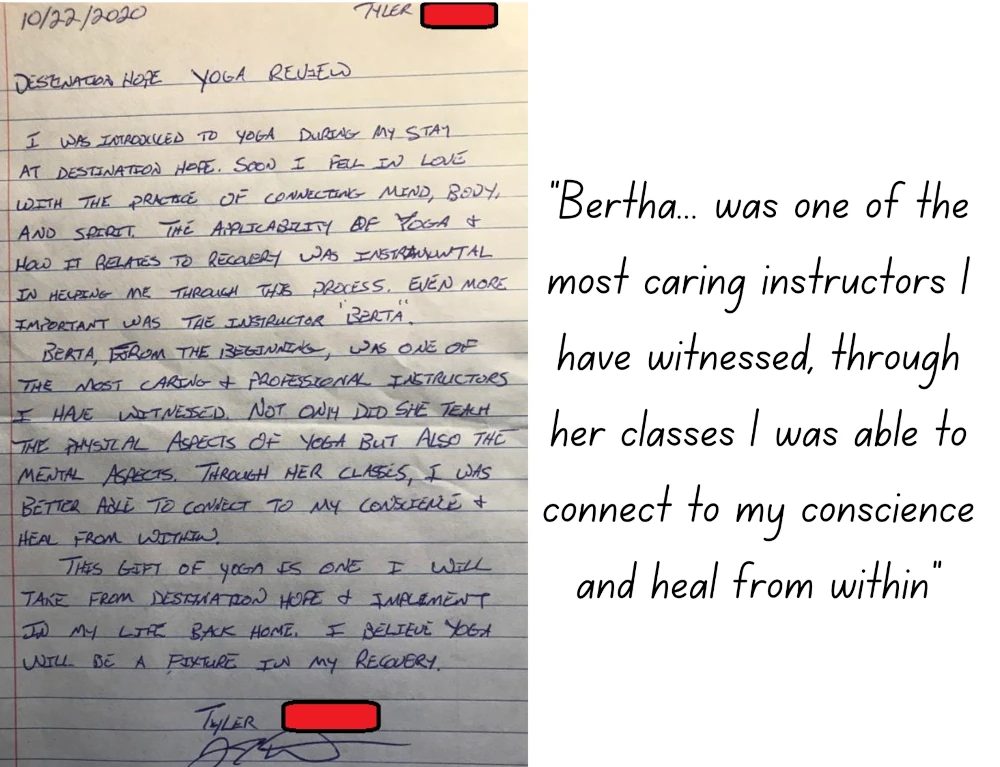
What is Yoga for Mental Wellness?
Yoga is a unique body and mind practice. It focuses on the movement and alignment of the body through various “asanas” or postures, done in a mindful and harmonious way. Yoga studios are often considered places of peace. They offer a retreat from the overwhelming demands of daily life. There is growing evidence that affirms yoga has a positive effect on both physical and mental health. Unlike other forms of exercise, yoga affects both the body and mind. The practice focuses on breathing and proper posture alignment. Together, these produce a meditative state. Practising yoga can alter the body’s biochemical processes. It shifts us from stress and anguish to relaxation and peace. This new state suppresses neural activity and turns off the brain’s fight-or-flight mechanism. Specific yoga techniques can promote relaxation and help manage mental health symptoms, such as substance dependencies, depression, anxiety, PTSD, and other disorders. Structured tools and techniques of yoga are often used as complements to prescription medication, talk therapy, or both. One should always remember that yoga is natural and easy to engage in.
Teaching Techniques and Specialities:
Comprehensive Wellness Class
Gentle Therapeutics Yoga
Chair Yoga
Therapeutic Yoga
Trauma-Informed Yoga
Skanda Yoga
Laughter Yoga
Yoga Nidra
Mindfulness-Based Stress Reduction (MBSR)
Buddhist Psychology
Meditation
Breathing Techniques
Techniques for Stimulating the Parasympathetic Nervous System and Vagus Nerve
Qi Gong
Comprehensive Wellness Class
This is a comprehensive and holistic session where I have the freedom to truly listen to the needs of the people I am with. Each class is designed in the moment, drawing from the many techniques and methods I’ve learned over the years. I adapt and improvise according to the group’s energy and condition, creating a supportive and meaningful experience for everyone. For example, when working with older adults or those who need a gentler approach, I tailor the session with care and sensitivity, always respecting each person’s abilities and range of motion. Sometimes what people need most is a calming meditation, a heartfelt conversation about emotions, or guidance on how to channel their energy in a healthy way. Other times, movement and mindful breathing take the lead, helping to release tension and restore inner balance.
Gentle Therapeutics Yoga
Chair Yoga
Chair yoga is a gentle, adaptive form of yoga that makes the benefits of traditional yoga accessible to people of all ages, abilities, and fitness levels. Practiced while sitting on a chair or using one for support, it is especially helpful for older adults, individuals with limited mobility, chronic pain, or balance difficulties. Despite its simplicity, chair yoga offers powerful physical and mental health benefits, including improved flexibility, muscle strength, circulation, and posture. It also helps reduce tension, ease joint pain, and enhance overall body awareness. Deep breathing and mindfulness are central to the practice, promoting relaxation, mental clarity, and emotional well-being. Many chair yoga classes incorporate gentle stretches, seated twists, and breathwork exercises that can be done safely in a small space, making it a practical option for home or office settings. Ultimately, chair yoga empowers participants to connect with their bodies, calm their minds, and cultivate inner peace—showing that yoga can truly be for everyone, regardless of physical limitations.
Therapheutic Yoga
Trauma-Informed Yoga
Trauma-informed yoga is a compassionate and mindful approach to yoga that recognizes the impact of trauma on the body and mind. Unlike traditional yoga, it emphasizes safety, choice, and empowerment rather than strict alignment or performance. In trauma-informed yoga, instructors create a supportive environment by using gentle language, offering options for each pose, and avoiding physical adjustments without consent. This practice helps individuals reconnect with their bodies, build trust in themselves, and develop self-awareness through mindful breathing and movement. By promoting a sense of control and grounding, trauma-informed yoga can aid in healing emotional wounds, reducing anxiety, and fostering resilience and self-compassion.
Skanda Yoga
Skanda Yoga is a dynamic and powerful style of yoga that blends traditional Vinyasa flow with elements of strength training, balance, and breath control. Rooted in the teachings of classical yoga, it incorporates modern movement principles to create a physically challenging yet deeply mindful practice. Each sequence in Skanda Yoga is carefully designed to align the body’s energy with higher states of awareness, often guided by a specific energetic theme or intention. The practice emphasizes coordination, stamina, and focus while cultivating a strong connection between body, mind, and spirit. Through its structured yet creative approach, Skanda Yoga helps practitioners develop resilience, discipline, and inner balance both on and off the mat.
Laughter Yoga
Laughter yoga is a joyful practice that combines intentional laughter with deep yogic breathing to promote physical, emotional, and mental well-being. Developed by Dr. Madan Kataria in the 1990s, it is based on the idea that the body cannot distinguish between real and simulated laughter—both produce the same positive physiological effects. Through playful exercises, group laughter, and breathing techniques, participants release tension, boost mood, and increase oxygen flow throughout the body. Laughter yoga also stimulates the release of endorphins, reduces stress hormones, and strengthens the immune system. Beyond its physical benefits, it fosters social connection, creativity, and a sense of community. By embracing laughter as a mindful practice, individuals can improve resilience, cultivate positivity, and experience a deeper sense of joy and relaxation in everyday life.
Yoga Nidra
Yoga Nidra, often called “yogic sleep,” is a powerful therapeutic practice that brings the body into a state of deep relaxation while the mind remains awake and aware. It works by guiding practitioners through different stages of consciousness, allowing them to rest between wakefulness and sleep—a state where profound healing can occur. This systematic relaxation helps calm the nervous system, reduce stress hormones, and restore balance to the body’s physiological functions. Regular practice has been shown to alleviate anxiety, depression, and insomnia, as well as to improve concentration, memory, and emotional resilience. On a deeper level, Yoga Nidra provides access to the subconscious mind, where old patterns of tension and conditioning can be released, fostering greater self-awareness and inner harmony. It is a simple yet transformative tool for physical, mental, and emotional well-being.
Mindfulness-Based Stress Reduction (MBSR)
Buddhist Psychology
Buddhist psychology is a rich and ancient system of understanding the mind, emotions, and human behavior that emphasizes the cultivation of mindfulness, compassion, and wisdom. Rooted in the teachings of the Buddha, it explores how suffering arises from attachment, ignorance, and craving, and how liberation can be achieved through mindfulness and insight. Unlike Western psychology, which often focuses on diagnosing and treating symptoms, Buddhist psychology views mental health as the natural state of a clear and balanced mind. Practices such as meditation, ethical living, and mindful awareness help individuals recognize habitual thought patterns, regulate emotions, and develop greater equanimity. Ultimately, Buddhist psychology offers a path toward inner freedom, helping individuals live with greater peace, empathy, and clarity.
Meditation
Meditation offers profound therapeutic benefits for both the mind and body, serving as a powerful tool for healing and self-regulation. Regular meditation practice helps calm the nervous system, reducing stress, anxiety, and depression by lowering cortisol levels and promoting a state of inner peace. It enhances focus, emotional balance, and self-awareness, allowing individuals to observe their thoughts without judgment and respond to life’s challenges with greater clarity. Physiologically, meditation can lower blood pressure, improve heart health, and strengthen the immune system by fostering relaxation and reducing inflammation. On a deeper level, it nurtures mindfulness and compassion, helping people release negative emotions and cultivate a sense of acceptance and well-being. Over time, meditation not only supports mental and emotional healing but also encourages a harmonious connection between body, mind, and spirit.
Breathing Techniques
Breathing techniques offer powerful therapeutic benefits for physical, emotional, and mental health. Conscious breathing practices, such as deep diaphragmatic breathing, alternate nostril breathing, or box breathing, help calm the nervous system and restore balance between the body and mind. By slowing the breath and increasing oxygen flow, these techniques reduce stress, lower blood pressure, and relax tense muscles. On a psychological level, focused breathing helps quiet racing thoughts, ease anxiety, and enhance emotional regulation by anchoring attention to the present moment. Regular practice can also improve energy levels, mental clarity, and sleep quality. In therapeutic settings, breathing techniques are often used to manage trauma responses, promote relaxation, and build resilience. Ultimately, mindful breathing is a simple yet profound tool that empowers individuals to access inner calm, self-awareness, and overall well-being in everyday life.
Techniques for Stimulating the Parasympathetic Nervous System and Vagus Nerve
Qi Gong
Qi Gong is an ancient Chinese practice that integrates gentle movement, focused breathing, and mindful awareness to cultivate and balance the body’s vital energy, known as Qi. Rooted in traditional Chinese medicine, it aims to harmonize the mind, body, and spirit, promoting overall health and longevity. The slow, flowing movements enhance flexibility, strength, and coordination, while the meditative aspect calms the nervous system and reduces stress. Regular Qi Gong practice helps regulate the flow of energy through the body’s meridians, supporting internal balance and resilience. It can be both deeply restorative and energizing, making it suitable for people of all ages and levels of physical ability.
About Bertha Díaz
Born in Mexico City
Elementary School and High School at Centro Educativo Albatros Mexico City
1993-1997 Art History at Christie’s and Sotheby’s Educational Studies London
1998 Lived in Berlin while collaborating with a local galleries
1999-2001 Worked as an Independent Art Curator and Consultant Representing and Promoting Mexican Contemporary Artists
2002-2005 Worked at Deluxe Gallery, London UK
2005 Bikram Yoga training, Los Angeles, California
2006 Yoga Bugs Training Yoga for Children
2006 Moved to Florida, where she started teaching yoga at Bikram Yoga Miami Beach, South Miami, North Miami
2007 Opened her own boutique studio at Coral Gables: FireFly Hot Yoga
2007 Barkan Method Level I and II
2008 Skanda Yoga 300hrs Power Yoga
2008 Suspension Core Flow Yoga
2009 Meditation Training
2010 Reiki training level I II III
2010 Gentle Therapeutics Yoga 500 hrs
2010 Begun to specialize in Substance Abuse and Mental health
2012 Yin Yoga
2020 Laughter Yoga
2021 Yoga Nidra
2021 Mentorship Program on Buddhist Psychology and Mindfulness
2022 MSRB
2023 Breathing Techniques
2025 Qi Gong Inspired Movement (in process)